2026-05-14 · Product Knowledge
Rail Transit and Wayside: Vehicle and Plant-Side Displacement Sensing
Rail splits in two. Vehicle suspension, brake, pantograph strokes survive 25 g vibration and EMI; wayside lifts need even sensors and tight timing.

Germanjet news, technical articles and resources
Rail splits in two. Vehicle suspension, brake, pantograph strokes survive 25 g vibration and EMI; wayside lifts need even sensors and tight timing.
Pick the zone first: this magnetostrictive displacement sensor guide maps Zone 0/1 to Ex ia/ib and checks barrier Uo/Io/Po against Ui/Ii/Pi.
Arms close on encoders, but a seventh-axis rail hides rack backlash. A magnetostrictive displacement sensor driven-end read removes it, skips homing.
Salt spray, roll, blackouts greet ship rudders. A magnetostrictive displacement sensor reads absolute angle, no homing; seal connectors, add backup.
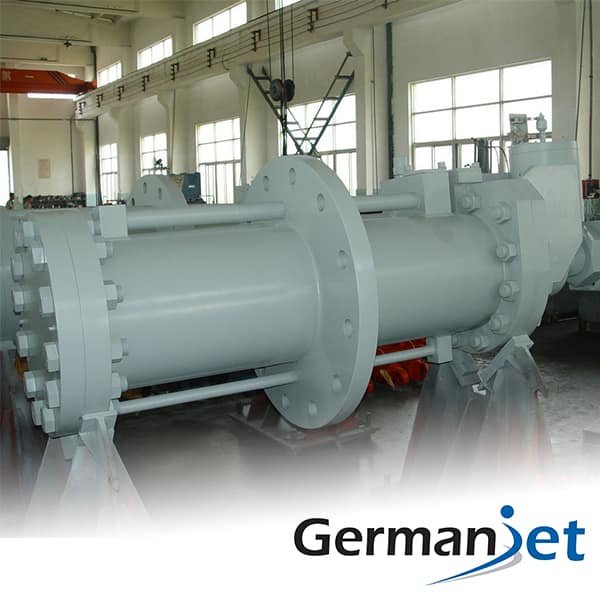
Not every lift cylinder fits in-cylinder. Only a single-stage direct-acting plunger has a deep bore; telescopic cannot. Then go external.
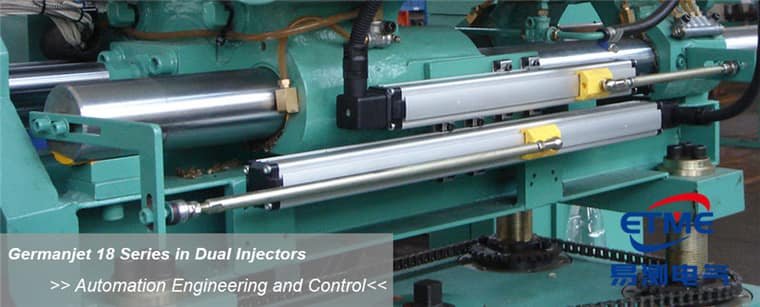
Laser platforms close main axes by scales; a magnetostrictive displacement sensor backfills it: shuttle, Z focus, clamps. Shield the rod from spatter.
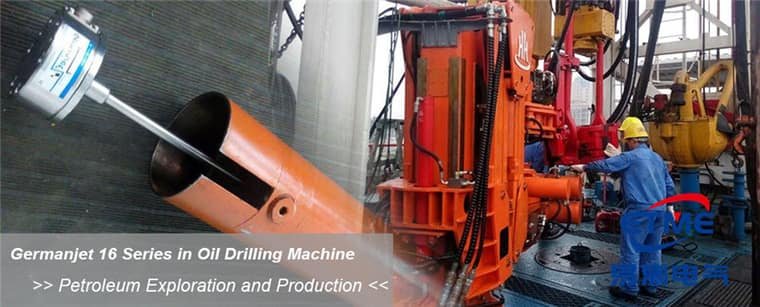
A tunnel shield steers from cylinder differences. Each magnetostrictive displacement sensor keeps absolute zero through slurry, long cables over bus.
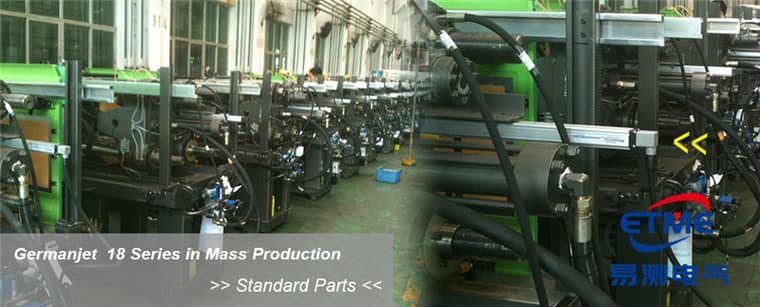
Woodworking dust creeps onto guideways and magnet faces, not electrics. Split platen stroke for thickness from CNC feed; mount off the dust line.

Cleanrooms ban friction pairs: a wiper sheds particles. A magnetostrictive displacement sensor stays non-contacting, dry; wet zones take IP67/68.
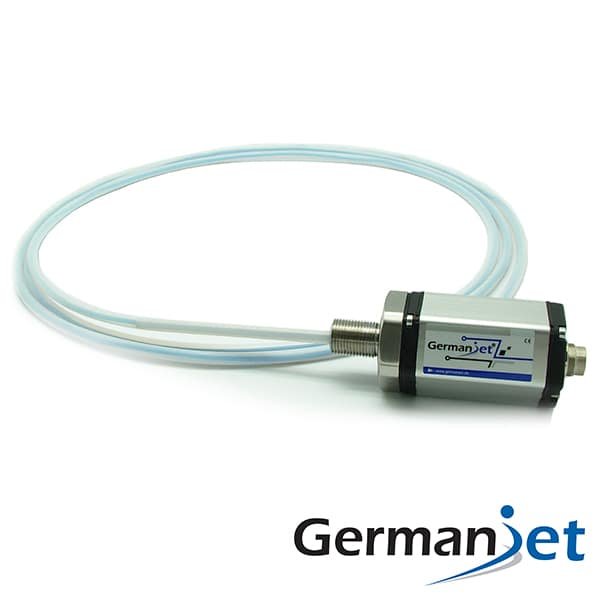
Sluice gates sit metres aloft, unmanned. A magnetostrictive displacement sensor on the hoist reads absolute stroke after blackout; 19F, IP67 joints.
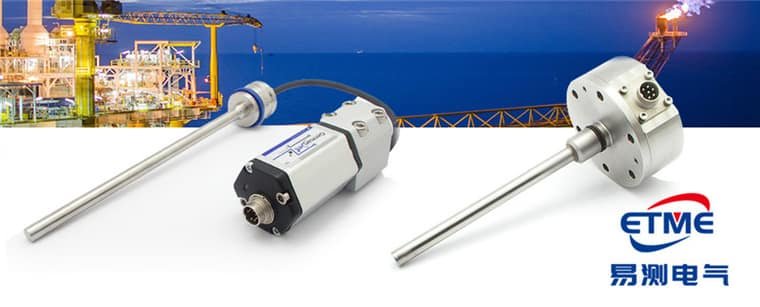
Hydraulic-pitch blade angle comes from cylinder stroke. Absolute position under vibration, wide temp, EMI beats accuracy; in-cylinder IP67 offshore.
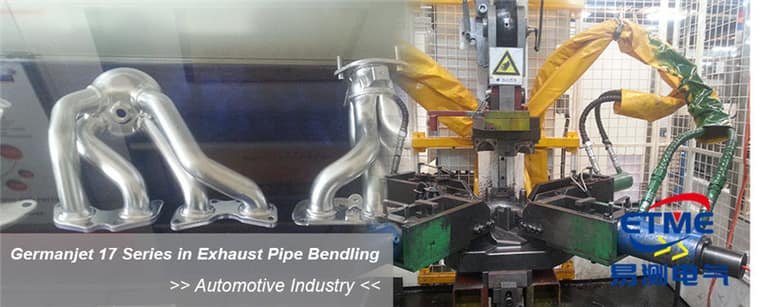
On diggers and loaders, survival beats accuracy. Strokes feed pose calculation in mud; pick in-cylinder Series 13, IP69K, CANopen, 25 g, 100 g shock.