2026-03-28 · Technical Insights
Magnetostrictive vs. Laser Displacement Sensors: Environmental Robustness Compared
Dust, coolant and washdown derail a laser; this magnetostrictive displacement sensor reads inside a sealed stainless rod to IP69K.

Germanjet news, technical articles and resources
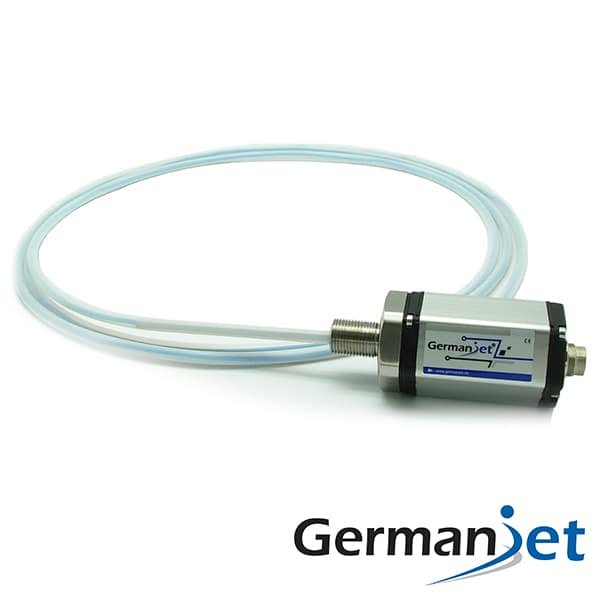
Dust, coolant and washdown derail a laser; this magnetostrictive displacement sensor reads inside a sealed stainless rod to IP69K.
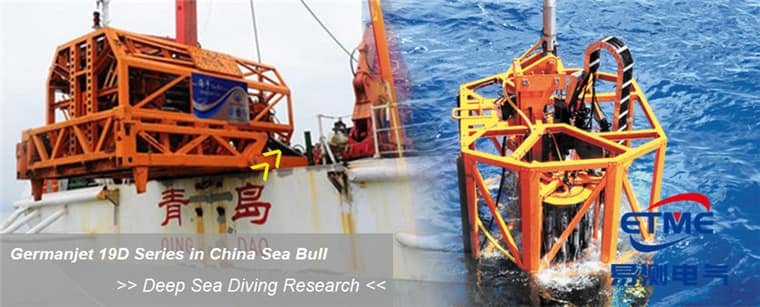
Rod takes heat, head does not: split. This 19D split magnetostrictive displacement sensor puts the head on cable; it is the weak link, factory-set.
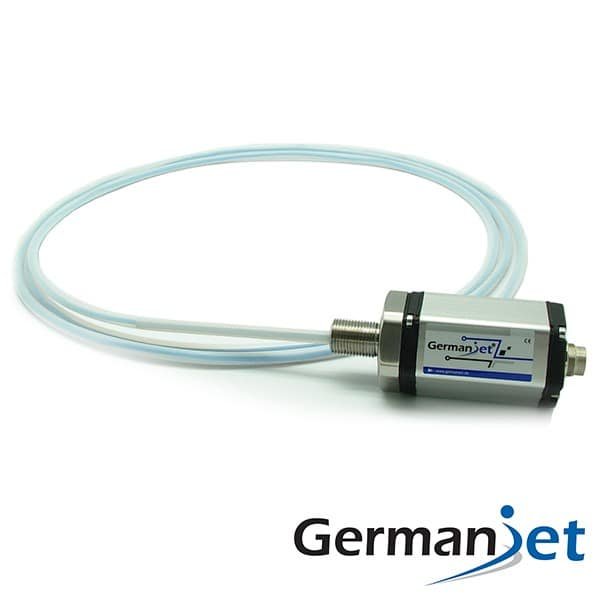
Rigid rods sag past 2 m; the 19F magnetostrictive displacement sensor bends, coiling around gates and hoists while holding ±0.002 mm repeatability.
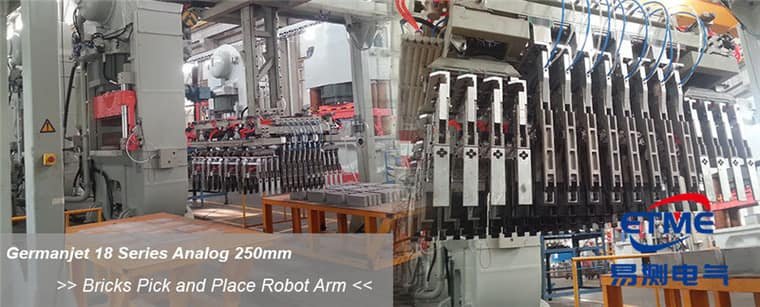
An external magnetostrictive displacement sensor changes only a bracket. 19P shares Series 19; Series 18 fits followers better. Pick by that.
Analog, SSI or fieldbus? Pick this magnetostrictive displacement sensor by controller channels, axis count and diagnostics—matrix covers 191 to 199.
One twisted pair links several axes of this CANopen displacement sensor. Series 194 follows DSP406, uses PDO, ends at 120 ohm; stop polling over SDO.
300 bar, 600 peak: 19H overlaps Series 17. Platform, not accuracy; this in-cylinder magnetostrictive displacement sensor picks 19H for mixed duty.
PROFINET uses device name, not IP. RT fits general data, IRT only reserved-slot sync. This PROFINET displacement sensor flags topo errors on re-wire.
GSD must match firmware or the slave shows up but will not configure. This Profibus displacement sensor guide covers address clashes, baud, end plugs.
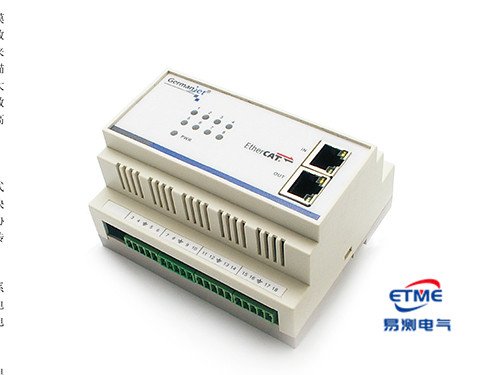
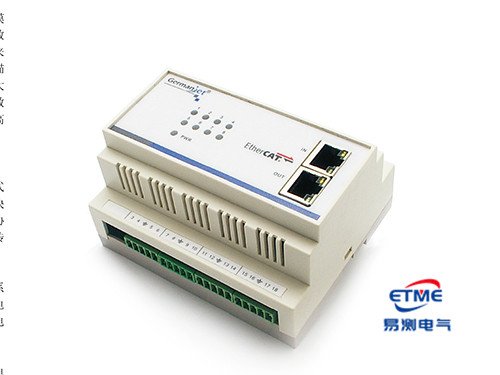
The frame flies past; slaves read their bit. With DC synchronization, this EtherCAT displacement sensor suits multi-cylinder lifting; bus speed lags.
Power and comms in one M12 cuts connectors. This single-M12 EtherCAT displacement sensor shares Series 197's frame; trade-off is hybrid cable.
Calibrate head off the tube, oil kept. This integrated magnetostrictive displacement sensor takes M18x1.5, 600 bar, for purpose-built cylinders.