Product Knowledge

Range, accuracy, output, mounting and rod material decide which magnetostrictive sensor fits. One topic per article, written against real machine conditions.

All Categories

Articles in "Product Knowledge"

Anti-Vibration Mounting Clips for Injection Moulding Sensors: 42.5 mm Hole Pitch, 3.5 kgf·cm Torque, 13 Steps

Anti-Vibration Mounting Clips for Injection Moulding Sensors: 42.5 mm Hole Pitch, 3.5 kgf·cm Torque, 13 Steps

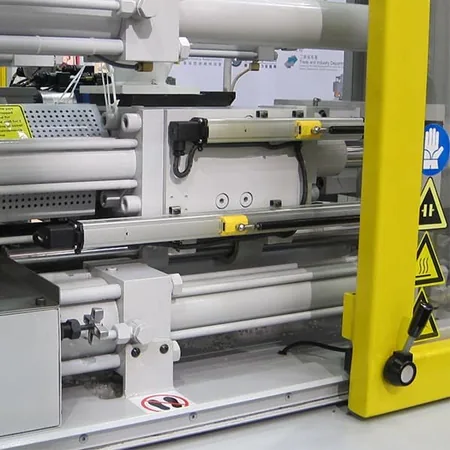
Both sensors on an injection moulding machine — clamp and injection — are isolated by a pair of anti-vibration mounting clips. The original factory guide turns on two numbers that have not changed in over a decade: a 42.5 mm hole pitch and a tightening torque of 3.5 kgf·cm. Torque has to be applied with a slipping-type driver and stopped at the click — too much crushes the elastomer, too little leaves the screw unseated. Each pack contains two clips and four washers, and not one washer can be skipped. The guide closes with the two site causes of a driver that clicks without clamping: a broken tap left in the hole, or poor thread quality.
LK 3500-Ton Press: 6 mm Jitter on a 3800 mm Analog Sensor

LK 3500-Ton Press: 6 mm Jitter on a 3800 mm Analog Sensor

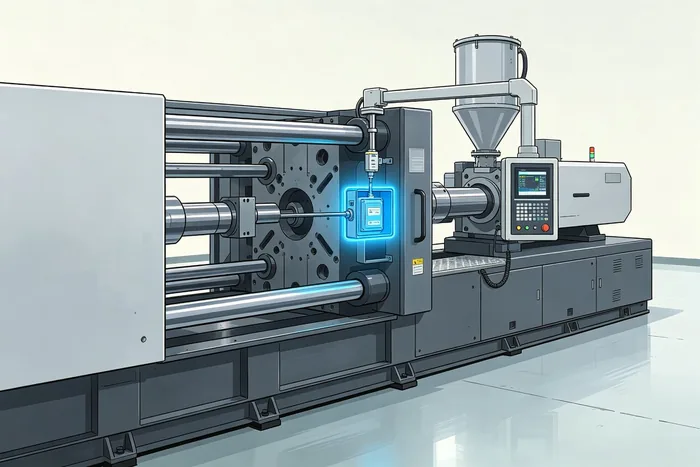
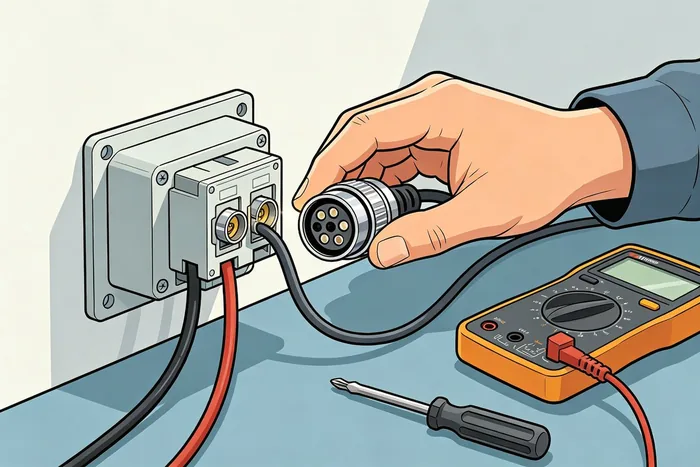
On an LK 3500-ton injection moulding machine a 3800 mm analogue sensor showed 6 mm of jitter. A 6.5-digit voltmeter and a 3 V battery split sensor, cable, controller and display section by section: the sensor itself jittered only 0.0005 V, about 0.19 mm. The 6 mm came from a bundled cable run, poor machine earthing and door-drive interference.

Magnetostrictive Displacement Sensor Applications: Cylinders, Moulding Machines, Rolling Mills

Magnetostrictive Displacement Sensor Applications: Cylinders, Moulding Machines, Rolling Mills

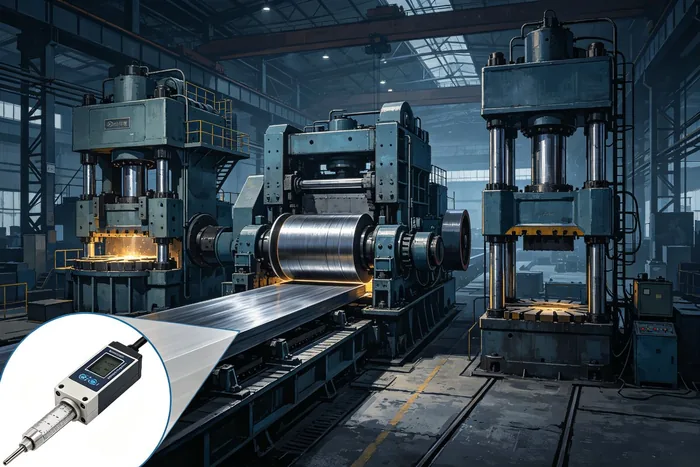
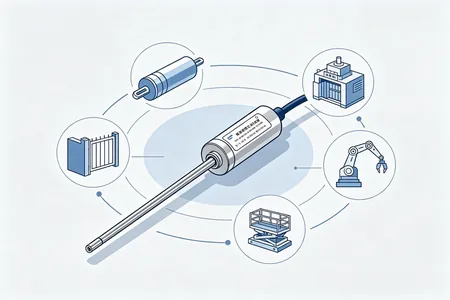
Where magnetostrictive displacement sensors are used: built into hydraulic cylinders on injection moulding, die casting and press machines; mounted externally on a bracket for rolling mill roll gap, press brake rams and gate openings; and on tunnel boring machines, where dozens of thrust cylinders have to be read at once. The common demand is accuracy, non-contact measurement and resistance to oil, dirt and vibration. Advantages: no wear, high accuracy, long stroke. Limitations: higher cost than a conductive-plastic electronic ruler, and a built-in sensor means work on the cylinder body.

SSI Displacement Sensor Wiring: Output Signals and How to Fix the Output at Selection

SSI Displacement Sensor Wiring: Output Signals and How to Fix the Output at Selection

SSI is a synchronous serial digital output: clock plus data, no supply carried in the signal pair, and not a fieldbus. It can only be read by a PLC high-speed counter card or a dedicated SSI interface, and it cannot be converted to 4-20 mA or to a bus the way an analogue signal can. The right move is to fix the output type during selection — 4-20 mA or 0-10 V for an analogue input module, CANopen, Profibus-DP, EtherCAT or Profinet for a bus. The article ends with the correct four-wire 4-20 mA connection.

Displacement Sensors in Five Heavy Industries: Die Casting, Curing, Bending, TBM, Steel

Displacement Sensors in Five Heavy Industries: Die Casting, Curing, Bending, TBM, Steel

Five heavy industries measured by displacement sensors: a die casting machine tracks injection and clamping stroke, a curing press tracks platen opening, a press brake tracks ram descent, a tunnel boring machine tracks thrust cylinders and segment attitude, and a steel mill tracks roll gap and the lifting table. Each section covers the working principle, the measuring position, the wiring and the selection points, plus on-site mounting and maintenance advice.

Injection Moulding Machine Displacement Sensor: Three Ruler Positions and Wiring

Injection Moulding Machine Displacement Sensor: Three Ruler Positions and Wiring

Where displacement sensors go on an injection moulding machine: mould clamping, ejection and injection each need one electronic ruler, and the stroke, output type and mounting differ per axis. The article gives the wiring diagram and the steps from installation through to production, and explains what changes when an ordinary electronic ruler is replaced by a magnetostrictive sensor on the clamping and injection axes.

Hydraulic Cylinder Displacement Sensor Faults: Three-Step Test and Solutions

Hydraulic Cylinder Displacement Sensor Faults: Three-Step Test and Solutions

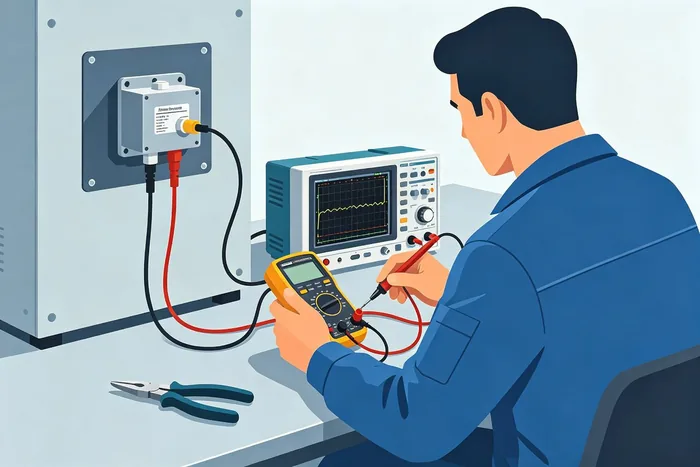
Troubleshooting a hydraulic cylinder displacement sensor starts with a three-step good-or-bad test that needs only a multimeter: check the supply voltage, then the signal output, then the insulation between windings and housing. A reference table covers jumping readings, no output, drift and shorted signals with the likely cause and the fix, followed by the replacement procedure to use once a failure is confirmed rather than assumed.

Hydraulic Cylinder Displacement Sensor: Principle, Wiring, Mounting, Parameters

Hydraulic Cylinder Displacement Sensor: Principle, Wiring, Mounting, Parameters

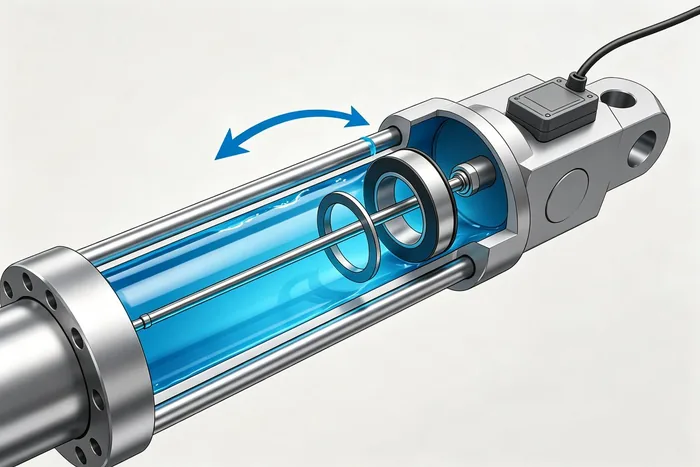
A full guide to hydraulic cylinder displacement sensors: why the built-in magnetostrictive type is used, how the magnet ring rides with the piston and position is measured without contact, how to wire analogue four-wire and digital outputs, the four mounting rules for an oil cylinder, and how to set stroke, zero and direction. Includes a parameter table for built-in cylinder series and points to compare when choosing a brand.

Magnetostrictive Displacement Sensor Installation and Commissioning

Magnetostrictive Displacement Sensor Installation and Commissioning

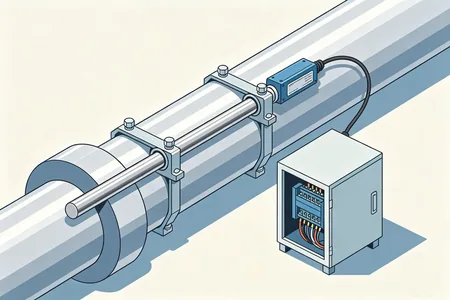
Installing and commissioning a magnetostrictive displacement sensor: choose between external and built-in mounting, then follow the mounting steps, run a three-point check after power-up and adjust the parameters. Zero, span and direction are the three settings that are normally re-done after installation; a long stroke rod needs mid-span support, and the magnet ring must not rub the rod.

Displacement Sensor Selection: Stroke, Mounting, Output, Accuracy, Environment

Displacement Sensor Selection: Stroke, Mounting, Output, Accuracy, Environment

Displacement sensor selection runs in five steps: stroke and mounting form, output signal, accuracy, environment and finally the interface. The order matters because each choice narrows the next one; picking an output before the stroke is fixed is the most common mistake. Written around magnetostrictive displacement sensors, with a quick-reference table of parameters and the points that decide cost.

Magnetostrictive Displacement Sensor Principle: Open vs Closed Magnet Ring

Magnetostrictive Displacement Sensor Principle: Open vs Closed Magnet Ring

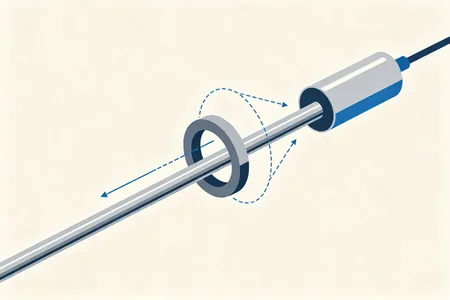
A magnetostrictive displacement sensor measures position by timing a pulse along a waveguide: the electronics send a current pulse, the magnet ring on the waveguide produces a torsional wave, and the return time is converted into position. The illustrated guide covers the measurement chain and the accuracy source, then compares open magnet rings, which clip on anywhere, with closed rings, which slide over the rod and resist shock better.

Displacement Sensor Wiring Guide: Installation Steps, Principles and Four-Wire Hook-Up

Displacement Sensor Wiring Guide: Installation Steps, Principles and Four-Wire Hook-Up

A displacement sensor wiring guide: mounting steps first, then the principle of separating supply from signal, then how to wire four-wire 4-20 mA. Magnetostrictive displacement sensors keep the power and the signal loop fully independent, and getting the polarity or the shared 0 V wrong will destroy the sensor. Three common field mistakes and the checks to make before switching on.

Magnetostrictive Displacement Sensor on Industrial Ethernet: PROFINET vs EtherCAT

Magnetostrictive Displacement Sensor on Industrial Ethernet: PROFINET vs EtherCAT

Pick 199PROFINET for a new S7-1200/1500 line needing IRT; pick 197/198 EtherCAT where clocks align axes. Confirm which master your PLC carries.

Magnetostrictive Displacement Sensor Fieldbuses: CANopen vs Profibus for Position Feedback

Magnetostrictive Displacement Sensor Fieldbuses: CANopen vs Profibus for Position Feedback

CANopen 194 and Profibus 195 look serial but differ in layer: CANopen is a 120-ohm pair for mobile machines; Profibus keeps an S7-300/400 DP network.

Analogue Electronic Ruler Reading Jumps: Three-Step Dry Battery Isolation Method

Analogue Electronic Ruler Reading Jumps: Three-Step Dry Battery Isolation Method

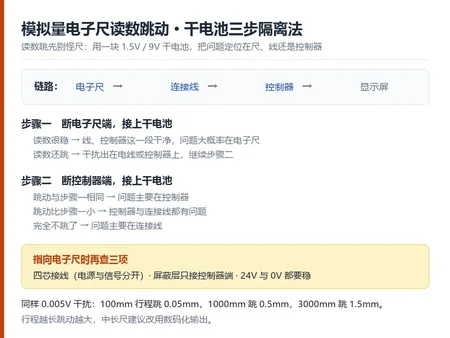
Jumping readings on an analogue electronic ruler are not always the ruler's fault. Three-step dry battery isolation: break the ruler end and feed in a 1.5 V or 9 V battery - steady means the ruler, jumping means wiring or controller. Then break the controller end and repeat: the same jump points to the controller, a smaller jump to both, no jump to the cable. Also check four-wire wiring, single-ended shield earthing and a stable 0 V supply; longer strokes amplify the same interference.

SSI Displacement Sensor 162 vs 192: Series 16 In-Cylinder Is Not Series 19

SSI Displacement Sensor 162 vs 192: Series 16 In-Cylinder Is Not Series 19

162 or 192 on an SSI displacement sensor? They share the D70 and 48 μs spacing—only mechanics differ; Series 16 keeps the 18G7 cap at 350/530 bar.

Magnetostrictive Displacement Sensor 16T Triple Redundancy: Three Independent Measurements in One Tube

Magnetostrictive Displacement Sensor 16T Triple Redundancy: Three Independent Measurements in One Tube

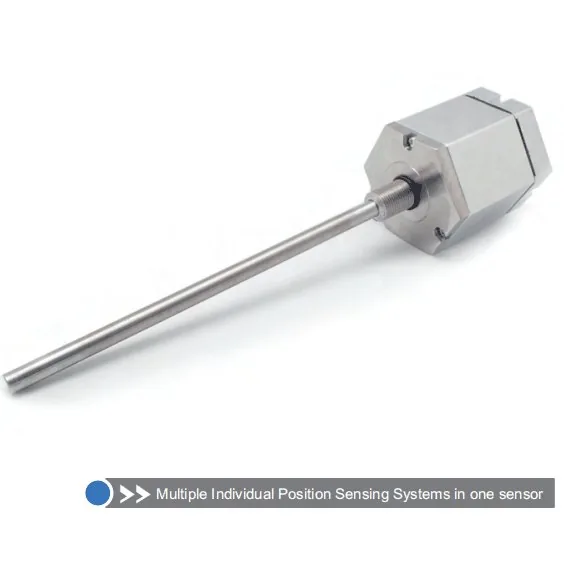
One tube, three measurements. The 16T magnetostrictive displacement sensor packs three waveguides at 350/530 bar for valves that cannot lose position.

Magnetostrictive Displacement Sensor 16E: IP68 Sealed Housing Versus Standard Series 16

Magnetostrictive Displacement Sensor 16E: IP68 Sealed Housing Versus Standard Series 16

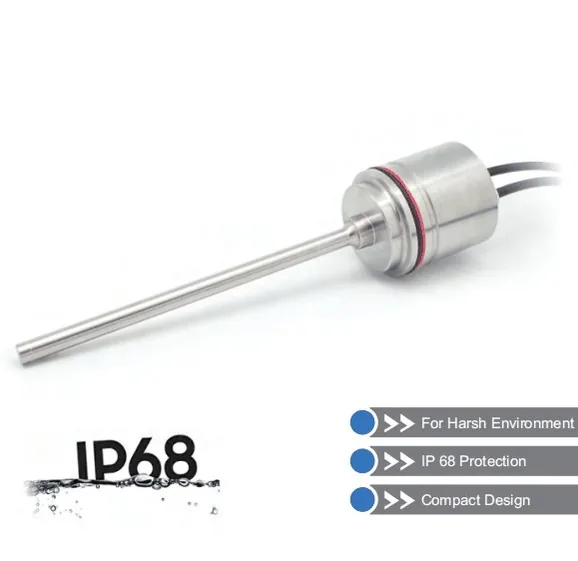
Wash-down, mines or immersion? The 16E magnetostrictive displacement sensor adds IP68 sealing yet keeps the 18G7 cap and 350/530 bar unchanged.

Magnetostrictive Displacement Sensor Field Programmer: Setting Start and End

Magnetostrictive Displacement Sensor Field Programmer: Setting Start and End

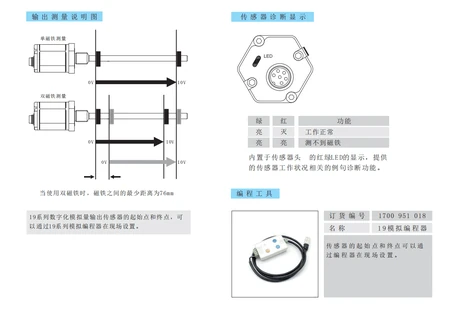
Electrical and mechanical zero disagree after fitting? The 1700 951 018 programmer sets start and span in the sensor, leaving the PLC scale alone.

Magnetostrictive Displacement Sensor Connectors: DIN 43650, D60, D70, M12 by Output

Magnetostrictive Displacement Sensor Connectors: DIN 43650, D60, D70, M12 by Output

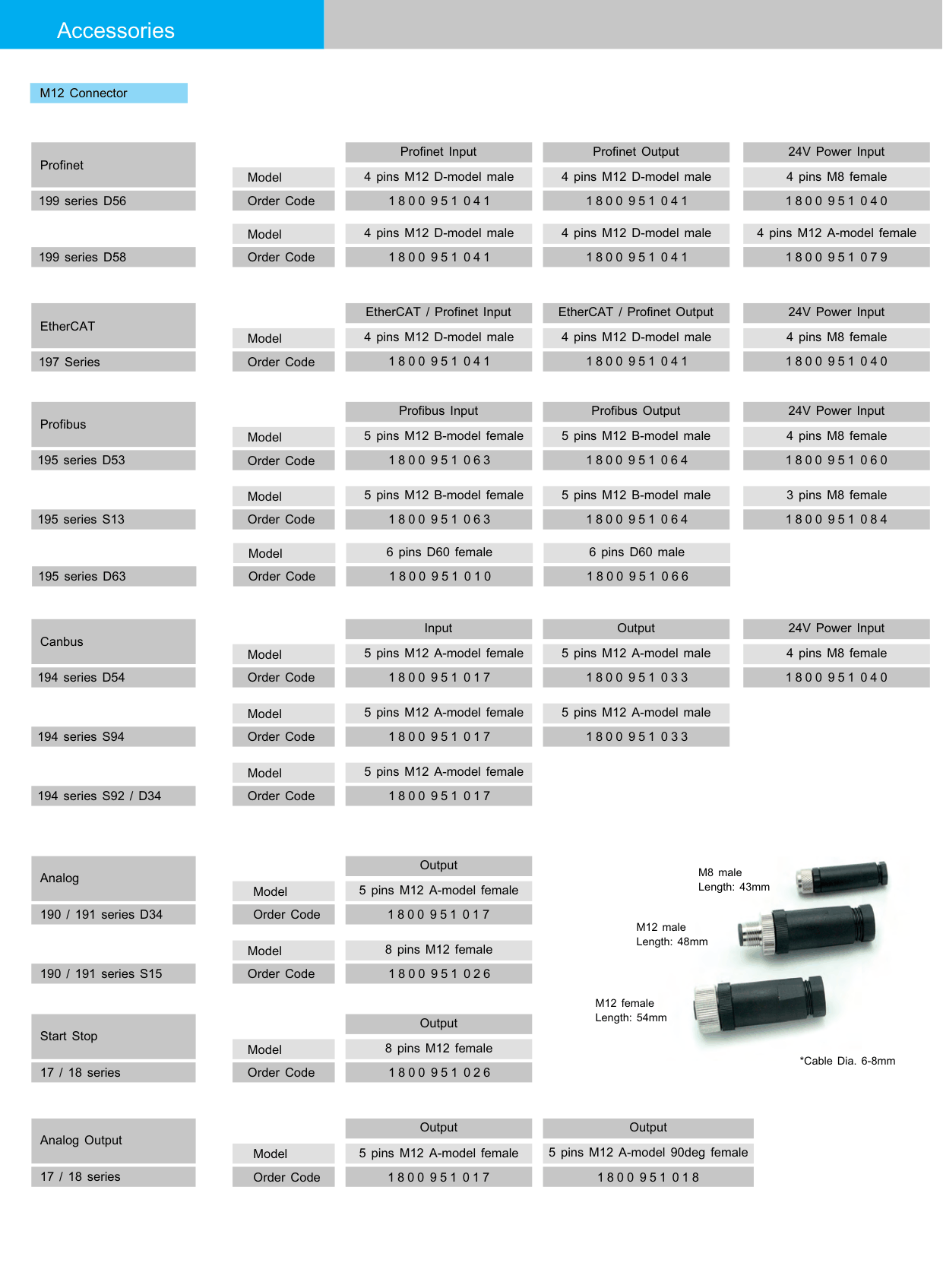
Pick the connector by output. Series 12 is DIN 43650, SSI 162/192 the 7-pin D70, analogue and CANopen the 6-pin D60, EtherCAT an M12.

Connecting a Digital CANbus Integration Module to a PLC: Seven Configuration Steps

Connecting a Digital CANbus Integration Module to a PLC: Seven Configuration Steps

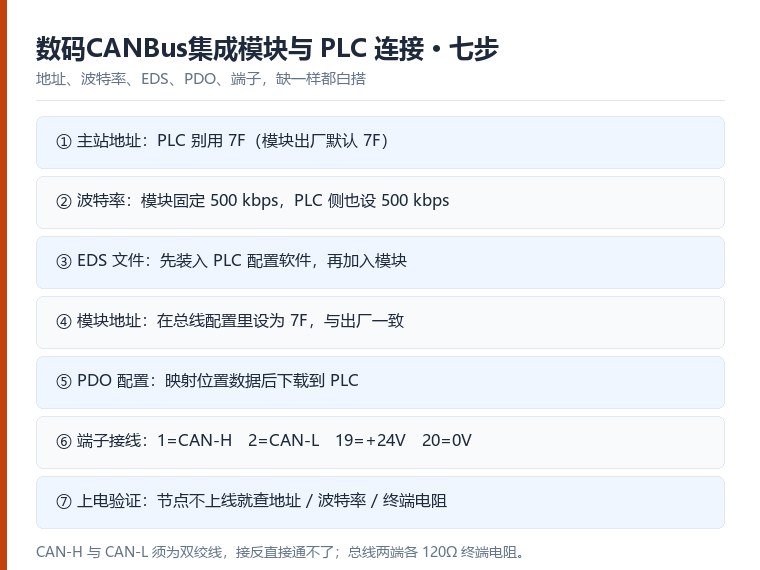
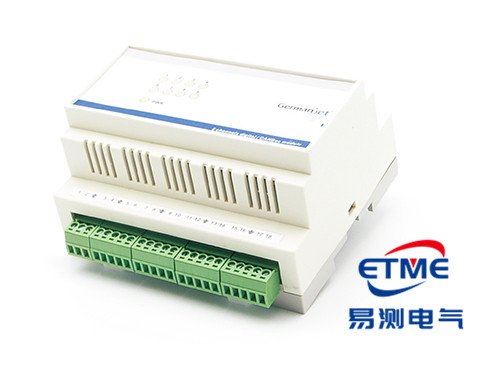
Seven steps to connect a digital CANbus integration module to a PLC: keep the PLC master address away from 7F (the module default), set both sides to 500 kbps, install the EDS file and add the module, set the module address to 7F, map and download the PDO configuration, wire terminals 1 = CAN-H, 2 = CAN-L, 19 = +24 V dc, 20 = 0 V dc, then power up and verify. PLC settings differ slightly between manufacturers.

Magnetostrictive sensor outputs: 160 / 161 / 162, 180–185, 190–199

Magnetostrictive sensor outputs: 160 / 161 / 162, 180–185, 190–199

Before the PLC, decode the output code: Series 16 = 160/161/162, Series 18 = 180–185, Series 19 = 190–199. Watch for 162, Series 16 SSI, never 192.

Injection Moulding Machine: Seven Electronic Rulers on One CANbus Node

Injection Moulding Machine: Seven Electronic Rulers on One CANbus Node

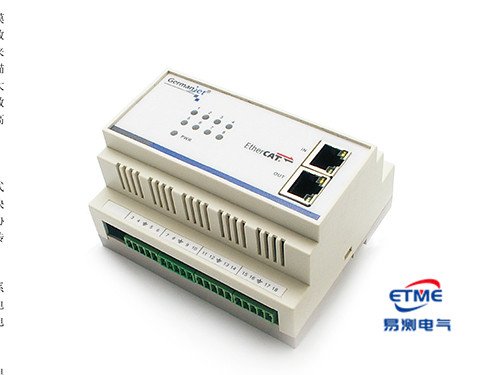
Full digitalisation is standard on Japanese and European injection moulding machines, yet one CANbus card carries at most two electronic rulers, so seven rulers need four cards and a 14 ms scan. The Germanjet digital CANbus integration module puts seven pulse-type digital rulers on one CANbus node: the KEBA computer occupies a single node, the scan drops to 2 ms, the module costs roughly the same as four cards, and the KEBA computer stays in place with only the ruler addresses changed in the program.

CANopen Displacement Sensor: Changing Baud Rate, Node ID and Event Timer over SDO

CANopen Displacement Sensor: Changing Baud Rate, Node ID and Event Timer over SDO

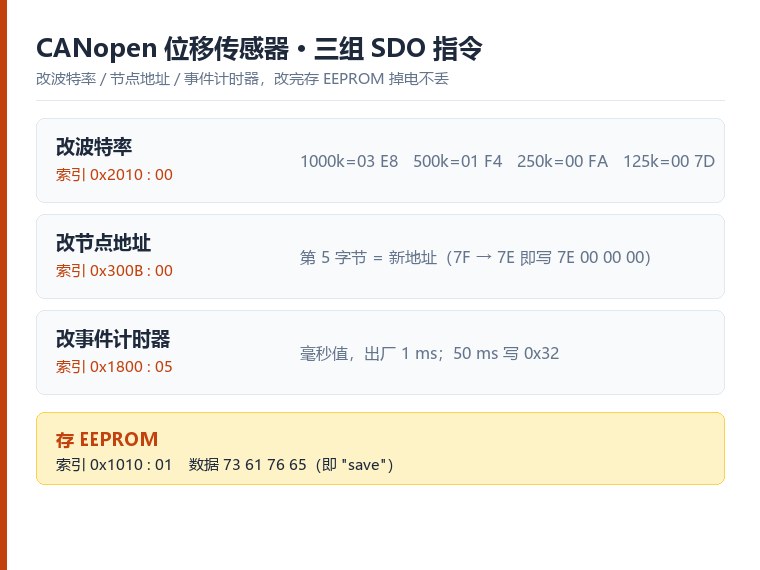
Change a CANopen displacement sensor's baud rate, node ID and CAN event timer over SDO, then save to EEPROM: baud rate is object 0x2010, node ID is 0x300B with the new value in byte 5, event timer is 0x1800 sub-index 0x05, and 0x1010 saves the lot. SDO requests use cob-id 0x600 + node ID. Not sure of the current address? Read the EMCY cob-id and subtract 0x80.

CANopen Displacement Sensor: EMCY, Node Start, PDO and SYNC Communication Examples

CANopen Displacement Sensor: EMCY, Node Start, PDO and SYNC Communication Examples

A CANopen displacement sensor messaging guide: on power-up the sensor sends EMCY (0xFF, default node 0x7F), the controller sends a node-start frame (0x000, 01 00) and the sensor replies with PDO data. A single magnet uses PDO1 at 0x1FF; dual magnets add PDO2 at 0x2FF. Every frame is 7 bytes: 4 bytes of position, 2 bytes of speed and 1 reserved byte, LSB first. Synchronous mode is driven by SYNC; asynchronous mode transmits on its own timer.

Magnetostrictive Displacement Sensor: Wiring Diagrams for All Series

Magnetostrictive Displacement Sensor: Wiring Diagrams for All Series

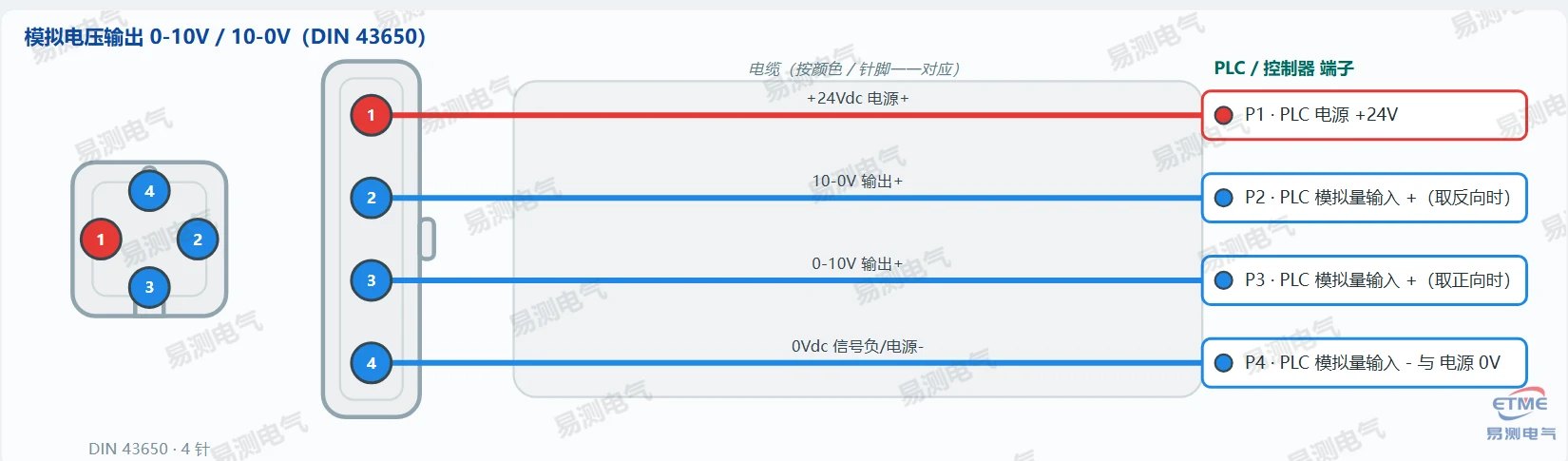
Twenty wiring diagrams for magnetostrictive displacement sensors: Series 12 / 13 / 16 / 17 / 18 / 19 and the 7-pin D70 plug, covering analogue voltage and current (four-wire), Start/Stop, SSI, CANopen, Profibus-DP, EtherCAT and PROFINET. Pins are labelled P1–P7 with NC positions and cable colours, plus six wiring rules and a quick-reference table. Miswiring destroys the sensor.

How Many Displacement Sensors Does One Injection Molding Machine Need? A Complete Plan for Injection, Clamping and Ejection

How Many Displacement Sensors Does One Injection Molding Machine Need? A Complete Plan for Injection, Clamping and Ejection

How many rods per press? A standard injection molding machine runs three loops—shot, clamp, ejector—while a closed-loop build climbs to four or six.

Automotive Body and Press Shops: Clamp Position and Bottom Dead Centre

Automotive Body and Press Shops: Clamp Position and Bottom Dead Centre

Fast slaggy duty: clamps and press slides. A magnetostrictive displacement sensor runs 1-10 μm, ±0.002 mm repeatability holding shut height.

Water Pumping Stations: Hydraulic Cylinder Stroke and Gate Position Monitoring

Water Pumping Stations: Hydraulic Cylinder Stroke and Gate Position Monitoring

Pump-station blades and gates sit damp. This magnetostrictive displacement sensor reads absolute position on power-up, with connectors facing down.

Glass Machinery: Press Closing Stroke and Tilt-Table Positioning

Glass Machinery: Press Closing Stroke and Tilt-Table Positioning

Press closing sets thickness; tilts need absolute position. A magnetostrictive displacement sensor runs 5-20 μm and shields the rod from cullet.

Waste Compaction: Hydraulic Cylinder Position and In-Cylinder Installation

Waste Compaction: Hydraulic Cylinder Position and In-Cylinder Installation

Compaction heads crash through leachate. This hydraulic cylinder displacement sensor sits in a deep 12.7 mm bore, rated 350-600 bar, off impact.

Packaging Machinery: Filling-Piston Stroke and Sealing-Die Positioning

Packaging Machinery: Filling-Piston Stroke and Sealing-Die Positioning

Volume is area times stroke. This magnetostrictive displacement sensor runs dosing and sealing, holds ±0.002 mm repeatability, needs IP69K washdown.

Medical Equipment: Radiotherapy Couch and Operating Table Position

Medical Equipment: Radiotherapy Couch and Operating Table Position

A couch off isocentre throws the dose. This magnetostrictive displacement sensor aligns the table, with 1-5 μm resolution and ±0.002 mm repeatability.
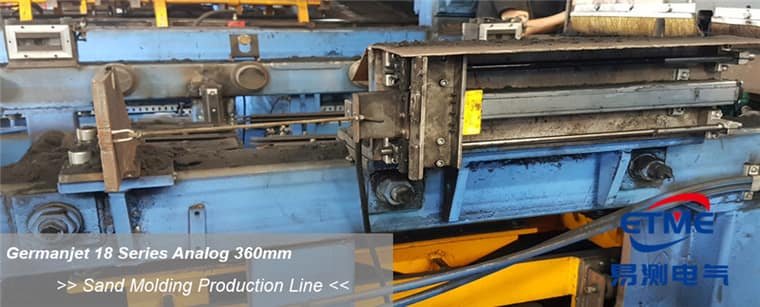
Chemical Reactor Agitator Travel: Intrinsically Safe Displacement Monitoring by Zone

Chemical Reactor Agitator Travel: Intrinsically Safe Displacement Monitoring by Zone

Reactor agitator lift and lid share one magnetostrictive displacement sensor. Fix Zone 1, pick Ex ia with a barrier, then match seals to medium.

Continuous-Casting Mould Oscillation: Closed-Loop Displacement Feedback

Continuous-Casting Mould Oscillation: Closed-Loop Displacement Feedback

Mould oscillation is a waveform. This magnetostrictive displacement sensor needs 0.5-5 ms refresh and ±0.002 mm repeatability to keep amplitude even.

Textile Machinery: Roller Gap and Dancer-Tension Position

Textile Machinery: Roller Gap and Dancer-Tension Position

Textile fly wraps the rod. A magnetostrictive displacement sensor covers roller gap and dancer, holding ±0.002 mm repeatability across spindles.

Agricultural Field Duty: In-Cylinder Sensor on Header and Seeder

Agricultural Field Duty: In-Cylinder Sensor on Header and Seeder

Headers and seeders work in mud, washdown, winter storage. Map header lift, reel, down-force cylinders to in-cylinder mounting, IP69K, CANopen.

Forging Ram Position: Blow-End Control Under Shock and Radiant Heat

Forging Ram Position: Blow-End Control Under Shock and Radiant Heat

Forging hits heat, shock and scale. This magnetostrictive displacement sensor lives in-cylinder, with ±0.002 mm repeatability for forging height.

Take-Out Robot Three Axes: Strip-Axis Mould-Area Interlock

Take-Out Robot Three Axes: Strip-Axis Mould-Area Interlock

Take-out robots race a cramped mould. Servo encoders miss belt stretch; a magnetostrictive displacement sensor at the actuator end makes it absolute.

Rail Transit and Wayside: Vehicle and Plant-Side Displacement Sensing

Rail Transit and Wayside: Vehicle and Plant-Side Displacement Sensing

Rail splits in two. Vehicle suspension, brake, pantograph strokes survive 25 g vibration and EMI; wayside lifts need even sensors and tight timing.

Oil Drilling Tool Position: Choosing an Explosion-Proof Displacement Sensor by Zone

Oil Drilling Tool Position: Choosing an Explosion-Proof Displacement Sensor by Zone

Pick the zone first: this magnetostrictive displacement sensor guide maps Zone 0/1 to Ex ia/ib and checks barrier Uo/Io/Po against Ui/Ii/Pi.

Robot Seventh Axis: Driven-End Displacement Sensor on the Rail

Robot Seventh Axis: Driven-End Displacement Sensor on the Rail

Arms close on encoders, but a seventh-axis rail hides rack backlash. A magnetostrictive displacement sensor driven-end read removes it, skips homing.

Marine Rudder and Hatch: Displacement Sensor in Salt-Spray Duty

Marine Rudder and Hatch: Displacement Sensor in Salt-Spray Duty

Salt spray, roll, blackouts greet ship rudders. A magnetostrictive displacement sensor reads absolute angle, no homing; seal connectors, add backup.

Hydraulic Lift Cylinder: Through-Bore Plunger and External Mount

Hydraulic Lift Cylinder: Through-Bore Plunger and External Mount

Not every lift cylinder fits in-cylinder. Only a single-stage direct-acting plunger has a deep bore; telescopic cannot. Then go external.

Laser Platform Backfill: Displacement Sensor for Shuttle and Z Axes

Laser Platform Backfill: Displacement Sensor for Shuttle and Z Axes

Laser platforms close main axes by scales; a magnetostrictive displacement sensor backfills it: shuttle, Z focus, clamps. Shield the rod from spatter.

TBM Thrust Cylinders: Grouped Displacement Sensor Synchronisation

TBM Thrust Cylinders: Grouped Displacement Sensor Synchronisation

A tunnel shield steers from cylinder differences. Each magnetostrictive displacement sensor keeps absolute zero through slurry, long cables over bus.

Woodworking Press and Feed: Dust-Protected Displacement Sensor

Woodworking Press and Feed: Dust-Protected Displacement Sensor

Woodworking dust creeps onto guideways and magnet faces, not electrics. Split platen stroke for thickness from CNC feed; mount off the dust line.

Cleanroom Non-Contact: Wear-Particle-Free Displacement Sensor

Cleanroom Non-Contact: Wear-Particle-Free Displacement Sensor

Cleanrooms ban friction pairs: a wiper sheds particles. A magnetostrictive displacement sensor stays non-contacting, dry; wet zones take IP67/68.

Water Gate Outdoor Duty: Displacement Sensor on the Hoist Cylinder

Water Gate Outdoor Duty: Displacement Sensor on the Hoist Cylinder

Sluice gates sit metres aloft, unmanned. A magnetostrictive displacement sensor on the hoist reads absolute stroke after blackout; 19F, IP67 joints.

Wind Pitch Cylinder: Absolute Displacement Sensor in the Hub

Wind Pitch Cylinder: Absolute Displacement Sensor in the Hub

Hydraulic-pitch blade angle comes from cylinder stroke. Absolute position under vibration, wide temp, EMI beats accuracy; in-cylinder IP67 offshore.

Digger and Loader Cylinders: In-Cylinder Displacement Sensor Duty

Digger and Loader Cylinders: In-Cylinder Displacement Sensor Duty

On diggers and loaders, survival beats accuracy. Strokes feed pose calculation in mud; pick in-cylinder Series 13, IP69K, CANopen, 25 g, 100 g shock.

Vulcanising Press Heat: Displacement Sensor Stability Over Accuracy

Vulcanising Press Heat: Displacement Sensor Stability Over Accuracy

Vulcanising presses sit in long heat and steam, where micron resolution buys nothing. Keep the head off radiation, or split it 19D-style; track drift.

Mill Roll Gap Choice: Displacement Sensor on the Screw-Down Cylinder

Mill Roll Gap Choice: Displacement Sensor on the Screw-Down Cylinder

Roll-gap AGC splits two jobs. The screw-down cylinder needs speed and accuracy as gap error becomes strip thickness; at 4 m, 0.02% FS reads +/-0.8 mm.

Injection Molding: Clamp and Shot Loops on a Displacement Sensor

Injection Molding: Clamp and Shot Loops on a Displacement Sensor

Injection molding reads clamp force from platen position, shot from screw stroke. Near 1-5 um screw-side repeatability sets both closed-loop ceilings.

Servo Press Accuracy Loop: In-Cylinder Displacement Sensor on the Slide

Servo Press Accuracy Loop: In-Cylinder Displacement Sensor on the Slide

Servo-press accuracy is the slide loop. Clear +/-0.002 mm repeatability, 1-2 um resolution and fast update; in-cylinder plus bus synchronization wins.

Die-Casting Feedback: Displacement Sensor on Clamp and Shot Plunger

Die-Casting Feedback: Displacement Sensor on Clamp and Shot Plunger

Die casting runs sensors through heat, oil mist and shock. Split clamp stroke for mould seating from plunger speed curve; go in-cylinder.

Two-Platen Retrofit: External Displacement Sensor, Cylinder Untouched

Two-Platen Retrofit: External Displacement Sensor, Cylinder Untouched

Two-platen retrofit, no cylinder cut? Fit an external magnetostrictive displacement sensor at the driven end: bracket, magnet, absolute off-encoder.

Which Fieldbus Fits Your Magnetostrictive Displacement Sensor? Start With the Master

Which Fieldbus Fits Your Magnetostrictive Displacement Sensor? Start With the Master

Which bus? Match the machine master—CANopen, Profibus, EtherCAT, PROFINET—then weigh timing. This magnetostrictive displacement sensor tables them.

How to Choose Among Five In-Cylinder Magnetostrictive Displacement Sensor Models

How to Choose Among Five In-Cylinder Magnetostrictive Displacement Sensor Models

Five in-bore choices—16, 16R, 17, 17EX, 19H—split by gas, redundancy, platform. This magnetostrictive displacement sensor spans 12.7 mm to 600 bar.

Picking an External Magnetostrictive Displacement Sensor: 13, 18, 19P or 19F

Picking an External Magnetostrictive Displacement Sensor: 13, 18, 19P or 19F

By duty external families part—13 washdown, 18/19P follower, 19F long travel. This magnetostrictive displacement sensor line holds ±0.02% FS.

19D Split Magnetostrictive Displacement Sensor: Moving the Head Out of Heat and Tight Spaces

19D Split Magnetostrictive Displacement Sensor: Moving the Head Out of Heat and Tight Spaces

Rod takes heat, head does not: split. This 19D split magnetostrictive displacement sensor puts the head on cable; it is the weak link, factory-set.

When a Rigid Rod Sags, the 19F Magnetostrictive Displacement Sensor Fits

When a Rigid Rod Sags, the 19F Magnetostrictive Displacement Sensor Fits

Rigid rods sag past 2 m; the 19F magnetostrictive displacement sensor bends, coiling around gates and hoists while holding ±0.002 mm repeatability.
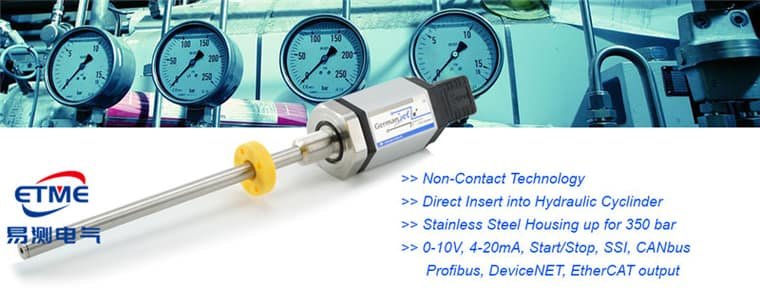
19P External Magnetostrictive Displacement Sensor: Trade-Offs Against Series 18

19P External Magnetostrictive Displacement Sensor: Trade-Offs Against Series 18

An external magnetostrictive displacement sensor changes only a bracket. 19P shares Series 19; Series 18 fits followers better. Pick by that.

How to Match a Magnetostrictive Displacement Sensor Output to Your Controller

How to Match a Magnetostrictive Displacement Sensor Output to Your Controller

Analog, SSI or fieldbus? Pick this magnetostrictive displacement sensor by controller channels, axis count and diagnostics—matrix covers 191 to 199.

Magnetostrictive Displacement Sensor Series 194: CANopen DSP406 in Practice

Magnetostrictive Displacement Sensor Series 194: CANopen DSP406 in Practice

One twisted pair links several axes of this CANopen displacement sensor. Series 194 follows DSP406, uses PDO, ends at 120 ohm; stop polling over SDO.

19H Cylinder-Integrated Magnetostrictive Displacement Sensor: Trade-Off with Series 17

19H Cylinder-Integrated Magnetostrictive Displacement Sensor: Trade-Off with Series 17

300 bar, 600 peak: 19H overlaps Series 17. Platform, not accuracy; this in-cylinder magnetostrictive displacement sensor picks 19H for mixed duty.
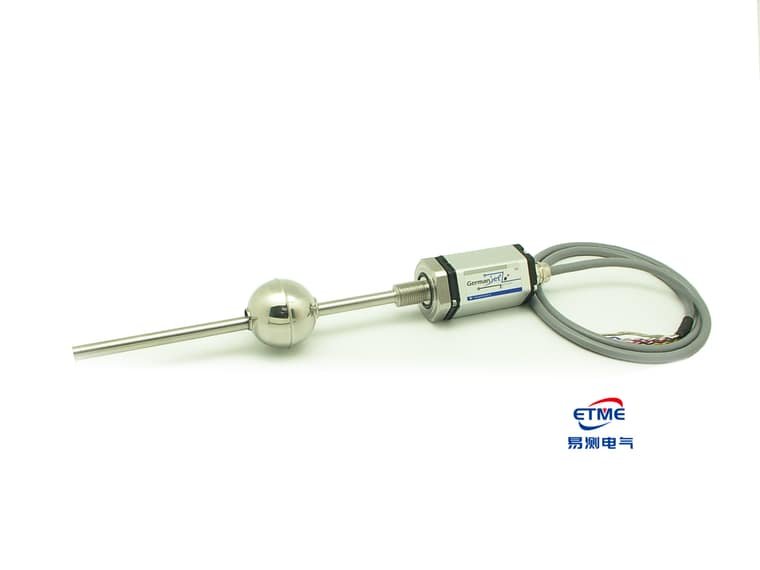
Magnetostrictive Displacement Sensor Series 199: PROFINET RT, IRT and Device Names

Magnetostrictive Displacement Sensor Series 199: PROFINET RT, IRT and Device Names

PROFINET uses device name, not IP. RT fits general data, IRT only reserved-slot sync. This PROFINET displacement sensor flags topo errors on re-wire.
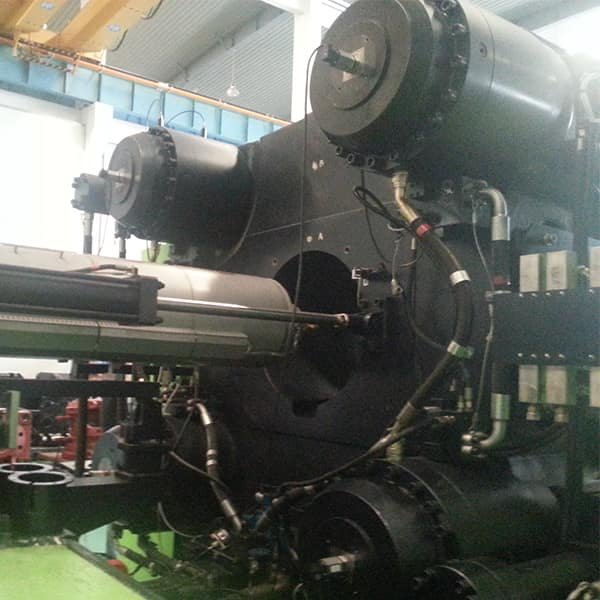
Magnetostrictive Displacement Sensor Series 195: PROFIBUS GSD and Diagnostics

Magnetostrictive Displacement Sensor Series 195: PROFIBUS GSD and Diagnostics

GSD must match firmware or the slave shows up but will not configure. This Profibus displacement sensor guide covers address clashes, baud, end plugs.

Magnetostrictive Displacement Sensor Series 197: EtherCAT State Machine and DC Clocks

Magnetostrictive Displacement Sensor Series 197: EtherCAT State Machine and DC Clocks

The frame flies past; slaves read their bit. With DC synchronization, this EtherCAT displacement sensor suits multi-cylinder lifting; bus speed lags.

Magnetostrictive Displacement Sensor Series 198: Single-M12 EtherCAT Savings and Trade-Offs

Magnetostrictive Displacement Sensor Series 198: Single-M12 EtherCAT Savings and Trade-Offs

Power and comms in one M12 cuts connectors. This single-M12 EtherCAT displacement sensor shares Series 197's frame; trade-off is hybrid cable.

Magnetostrictive Displacement Sensor Series 17 vs Series 16: Integrated Interface and Pressure Differences

Magnetostrictive Displacement Sensor Series 17 vs Series 16: Integrated Interface and Pressure Differences

Calibrate head off the tube, oil kept. This integrated magnetostrictive displacement sensor takes M18x1.5, 600 bar, for purpose-built cylinders.

Magnetostrictive Displacement Sensor Series 18: Matching Floating and Rail Followers

Magnetostrictive Displacement Sensor Series 18: Matching Floating and Rail Followers

Most faults on this magnetostrictive displacement sensor sit in the follower. Series 18 passes motion via a rod or rail; pick the side-load winner.

Magnetostrictive Displacement Sensor Series 16: In-Cylinder Bore and Pressure Limits

Magnetostrictive Displacement Sensor Series 16: In-Cylinder Bore and Pressure Limits

Two numbers decide Series 16: 12.7 mm bore, 350 bar, 530 peak. This in-cylinder magnetostrictive displacement sensor is sealed in oil; mind its 18G7.

Magnetostrictive Displacement Sensor Series 192: SSI Timing, Gray Code and Data Bits

Magnetostrictive Displacement Sensor Series 192: SSI Timing, Gray Code and Data Bits

SSI shifts position bit by bit, no bus stack. This magnetostrictive displacement sensor pairs cable length with baud, 48 μs gap, fixing Gray jumps.

Magnetostrictive Displacement Sensor Series 16R: How Dual Output Catches Drift

Magnetostrictive Displacement Sensor Series 16R: How Dual Output Catches Drift

A drifting reading looks normal, dangerous. This redundant magnetostrictive displacement sensor runs two outputs on one bore, checking mould clamping.

Magnetostrictive Displacement Sensor Series 191: Wiring 4-20 mA and 0-10 V Outputs

Magnetostrictive Displacement Sensor Series 191: Wiring 4-20 mA and 0-10 V Outputs

4-20 mA beats 0-10 V over distance, its edge the live zero: below 4 mA it sees a break. This shields the analog magnetostrictive displacement sensor.

17EX Intrinsic Safety Explained: Deploying Displacement Sensors in Flammable Gas Atmospheres

17EX Intrinsic Safety Explained: Deploying Displacement Sensors in Flammable Gas Atmospheres

It keeps loop energy too low to ignite, not a blast box. This 17EX magnetostrictive displacement sensor needs a barrier; learn the Zone map.

Magnetostrictive Displacement Sensor Series 13: IP69K, 25 g Vibration and 100 g Shock Mobile Duty

Magnetostrictive Displacement Sensor Series 13: IP69K, 25 g Vibration and 100 g Shock Mobile Duty

Why IP69K rather than IP68? This mobile magnetostrictive displacement sensor takes hot wash-down, 25 g vibration and 100 g shock. Each test differs.

Series 12 General-Purpose Magnetostrictive Displacement Sensor Explained: Structure, Specifications and Applications

Series 12 General-Purpose Magnetostrictive Displacement Sensor Explained: Structure, Specifications and Applications

Head, fixed rod and moving magnet: Series 12 is the default magnetostrictive displacement sensor, with 0.005% FS repeatability and a 0.2 ms update.

Why Choose Magnetostrictive Sensing for Hydraulic Cylinder Position Control? From Injection Molding to Metallurgical Presses

Why Choose Magnetostrictive Sensing for Hydraulic Cylinder Position Control? From Injection Molding to Metallurgical Presses

Injection molding means long strokes, hot oil. Pick in-cylinder versus external magnetostrictive displacement sensors for 0.5-3 m, 12.7 mm bores.

Baidu
map