2026-04-29 · Product Knowledge
Vulcanising Press Heat: Displacement Sensor Stability Over Accuracy
Vulcanising presses sit in long heat and steam, where micron resolution buys nothing. Keep the head off radiation, or split it 19D-style; track drift.

Germanjet news, technical articles and resources
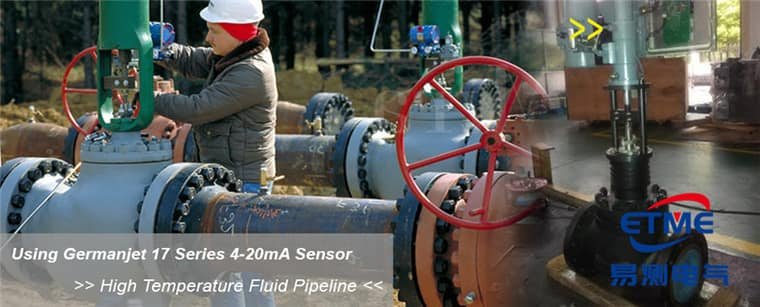
Vulcanising presses sit in long heat and steam, where micron resolution buys nothing. Keep the head off radiation, or split it 19D-style; track drift.
Roll-gap AGC splits two jobs. The screw-down cylinder needs speed and accuracy as gap error becomes strip thickness; at 4 m, 0.02% FS reads +/-0.8 mm.
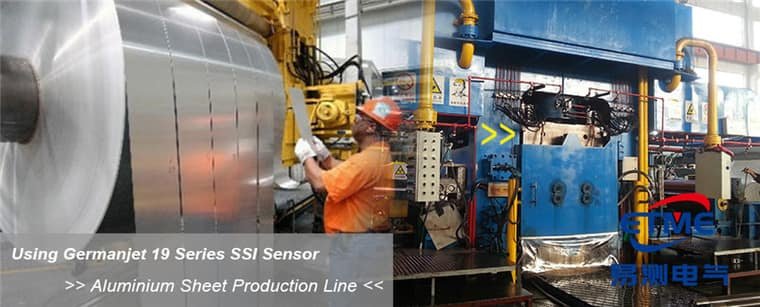
Injection molding reads clamp force from platen position, shot from screw stroke. Near 1-5 um screw-side repeatability sets both closed-loop ceilings.
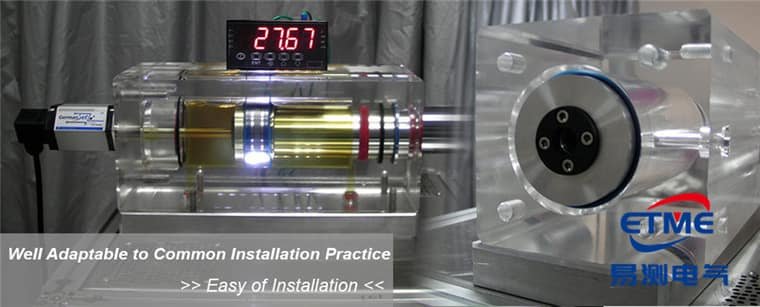
Servo-press accuracy is the slide loop. Clear +/-0.002 mm repeatability, 1-2 um resolution and fast update; in-cylinder plus bus synchronization wins.
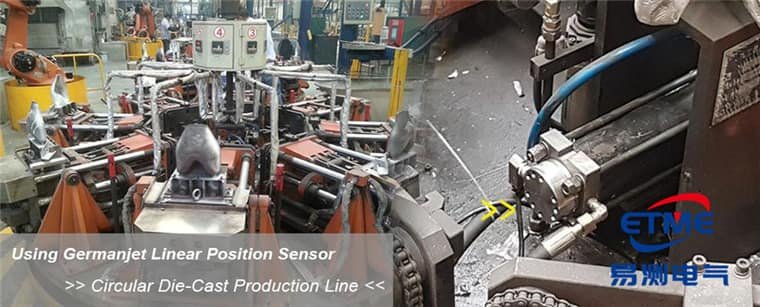
Die casting runs sensors through heat, oil mist and shock. Split clamp stroke for mould seating from plunger speed curve; go in-cylinder.
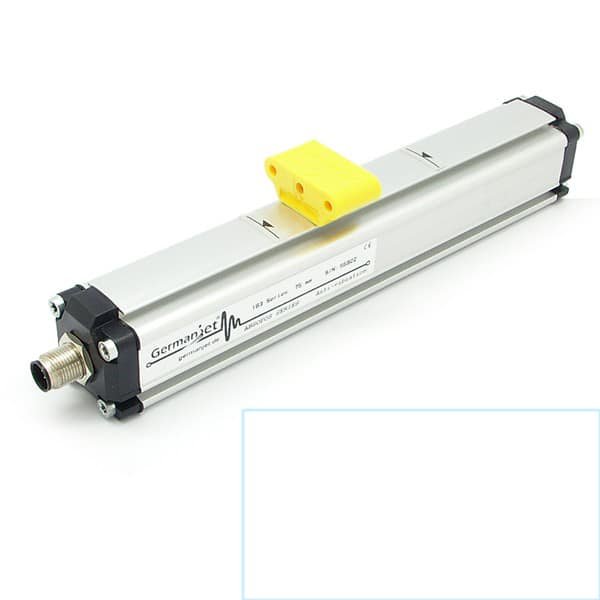
Not every loop needs a magnetostrictive displacement sensor. Low frequency, short stroke, clean air keep a potentiometer cheap; cross a boundary.
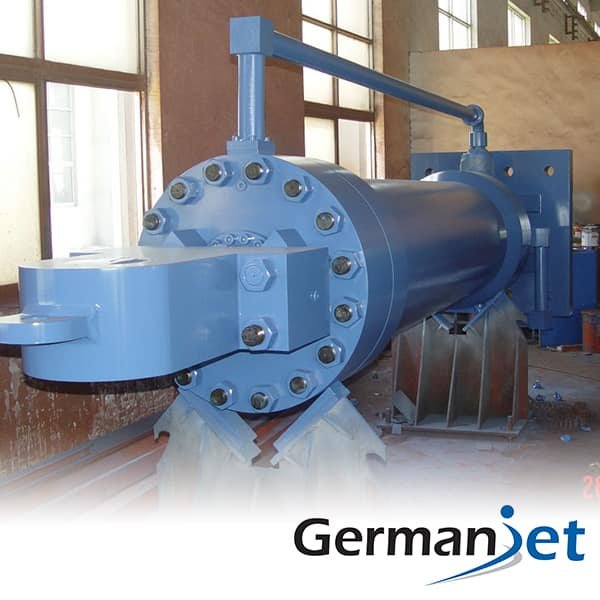
Two-platen retrofit, no cylinder cut? Fit an external magnetostrictive displacement sensor at the driven end: bracket, magnet, absolute off-encoder.
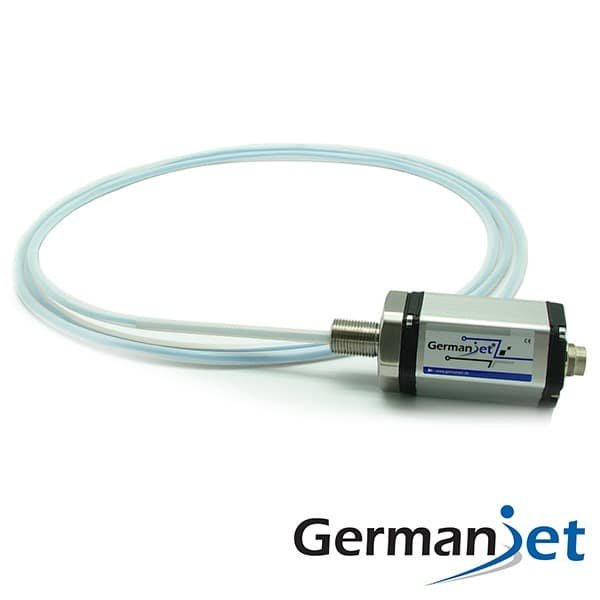
Past 2 m, absolute error climbs and refresh slows. Bend a flexible 19F magnetostrictive displacement sensor over the length, or split and synthesise.
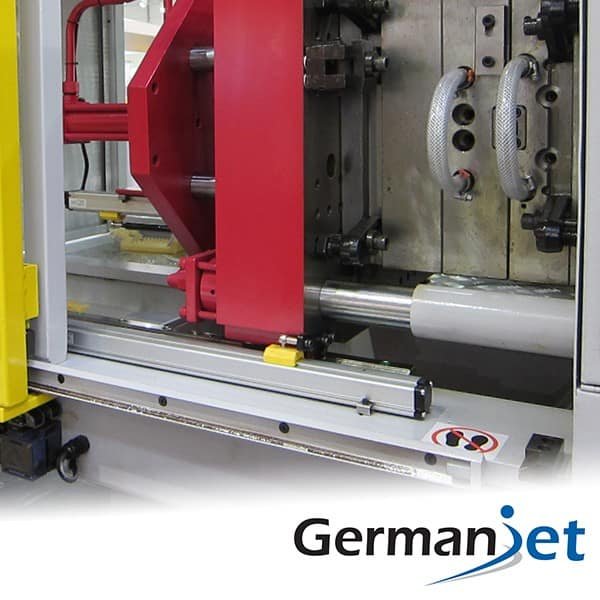
Before chasing resolution, build an error budget. This magnetostrictive displacement sensor adds repeatability, but mechanics often bottleneck first.
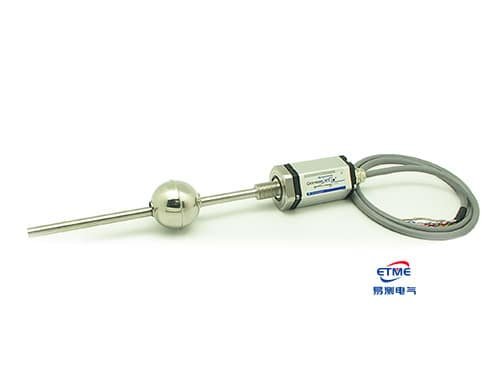
Export marks decide whether a machine ships. Sort CE, ATEX, UL/cUL and IECEx early; this guide maps each mark to its directives and checklist.
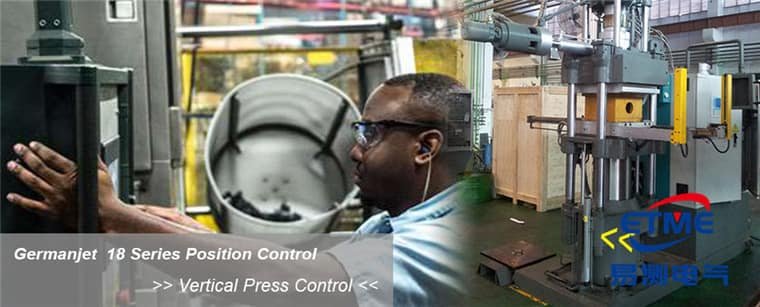
Retrofit without opening the cylinder. Mount this magnetostrictive displacement sensor parallel to barrel, link a slider to rod end, or bend a 19F.
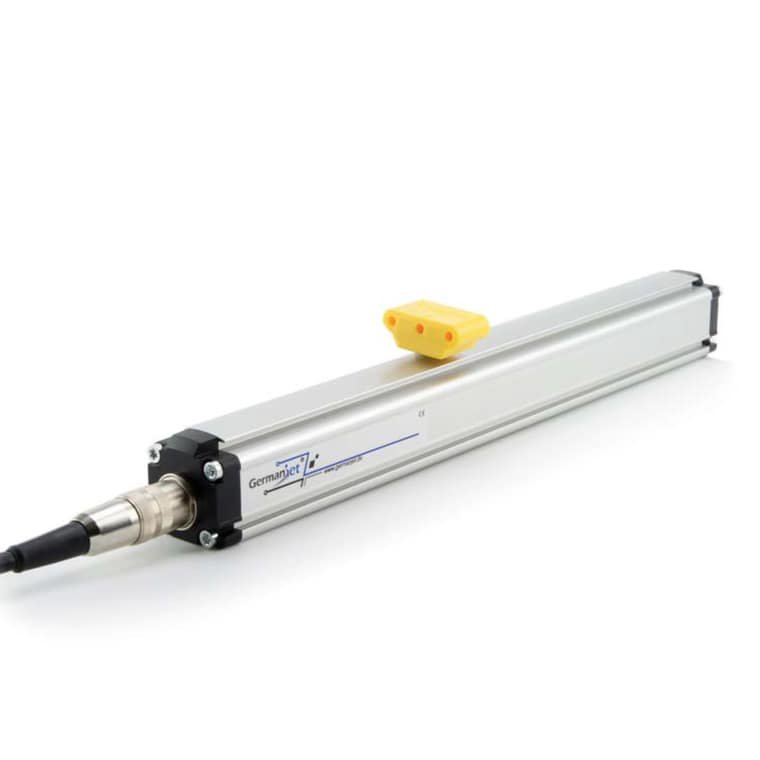
Range is not mechanical length; non-linearity is %FS; resolution is not accuracy. This magnetostrictive displacement sensor datasheet hides traps.