2026-06-13 · Technical Insights
A Modbus Displacement Sensor: Two Registers to a 32-Bit Position
Reading position over Modbus means merging two 16-bit words into a 32-bit value, then scaling. Watch byte order, signed versus unsigned and poll lag.

Germanjet news, technical articles and resources
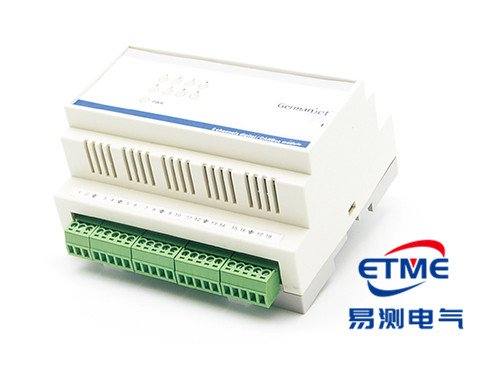
Reading position over Modbus means merging two 16-bit words into a 32-bit value, then scaling. Watch byte order, signed versus unsigned and poll lag.
Unless topology is drawn, PROFINET diagnostics stay generic. LLDP points a broken cable to port level, so bottom-up checks find it first.
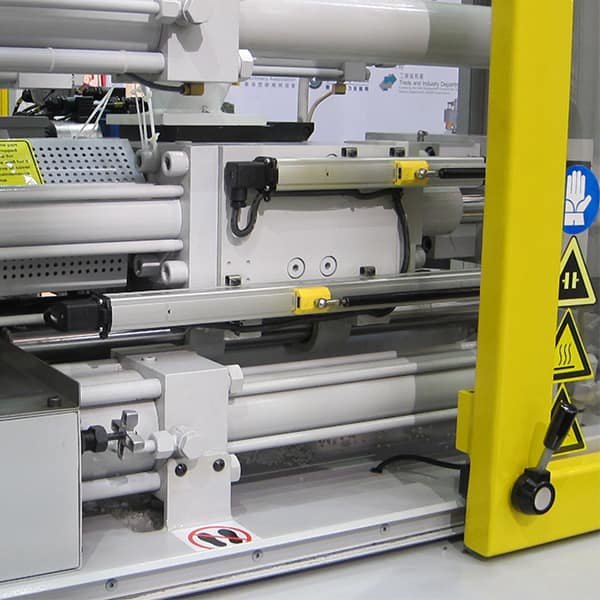
SSI displacement sensor reads garbage? Match bit count and Gray coding first. This walks the clock burst, MSB-first shift and 48 us silent interval.

Why must termination read 120 ohm on a displacement sensor? It matches cable impedance at both ends. Test: 60 ohm matched, 120 means one is missing.
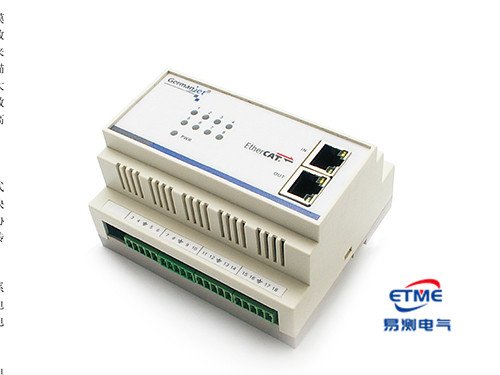
An EtherCAT magnetostrictive displacement sensor needs ESI plus state machine. Match XML to firmware, walk INIT→OP, keep IN/OUT order or scan scrubs.
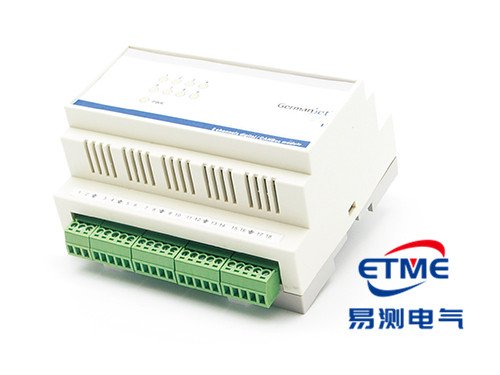
Most Profibus faults are on the wires. Its 390/220/390 DB9 network reads 110 Ω power-off with both ends ON: match is 220 Ω, held plug stays powered.
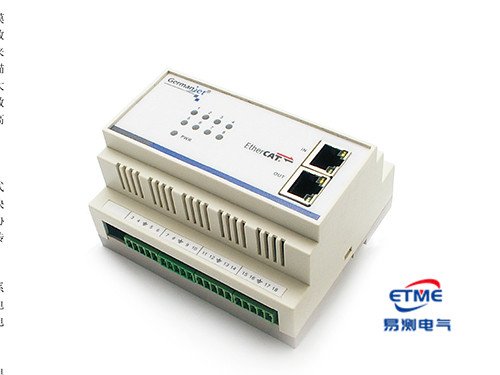
EtherCAT cannot break physics. DC aligns samples but cannot cut wave travel, so a longer-range magnetostrictive displacement sensor still runs slower.

A CANopen magnetostrictive displacement sensor that will not join the bus fails on two things: node IDs 1-127, and baud rate set by cable length.
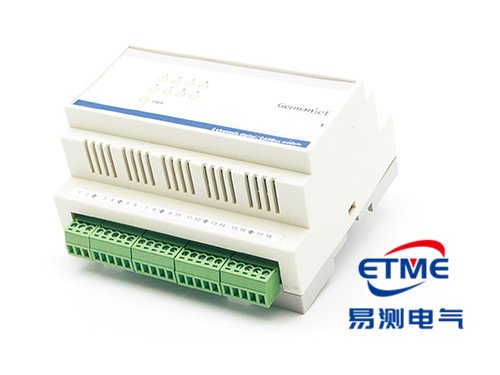
PROFINET knows the sensor by name, not IP. Assign the device name over DCP first, use lowercase DNS names, then weigh RT against IRT for sync.

CANopen keeps values in the object dictionary. A magnetostrictive displacement sensor follows DSP 406: position at 0x6000 over TPDO, params over SDO.

One waveguide, several magnets, an 8-byte frame. A TPDO holds just two INT32 positions, so three magnets need SYNC batches; minimum spacing is 76 mm.
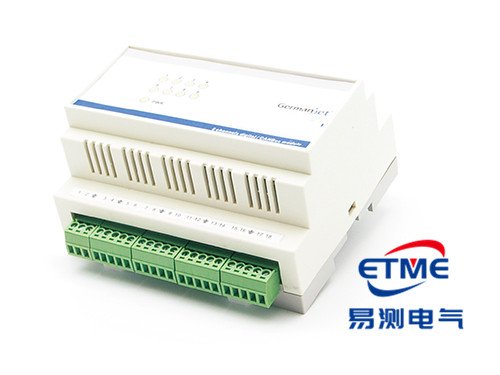
Profibus setup: three clicks, then traps. Import the GSD, hang the slave, set its address, pick the data module - a wrong module shifts every byte.