Magnetostrictive Displacement Sensor 16E: IP68 Sealed Housing Versus Standard Series 16
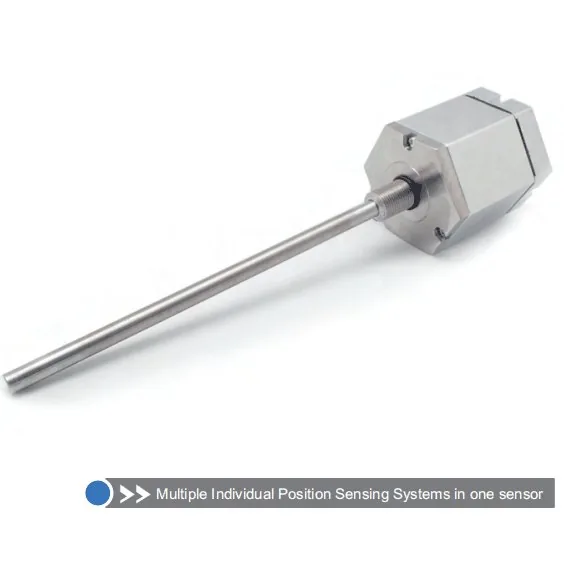
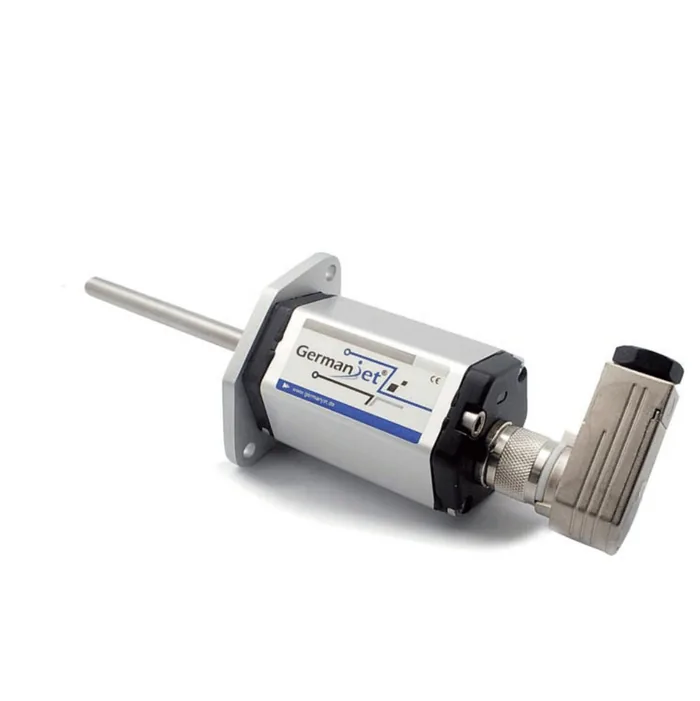
The 16E magnetostrictive displacement sensor upgrades the housing to IP68 for mines and wash-down; the cap and pressure rating do not change. People ask whether Series 16 can sit in water, mines or TBM wash-down. Standard 16 electronics are IP67. 16E seals the sensing element in a fully enclosed stainless housing to IP68. Cap and pressure do not change.
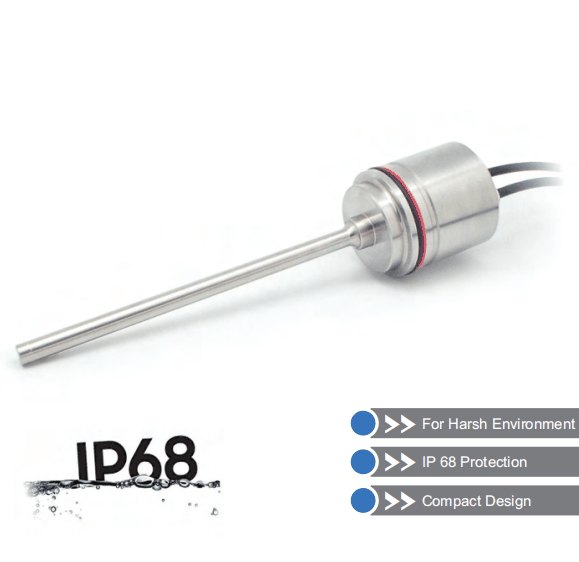
The same hard limits as Series 16
- Cap Ø18G7, Ø10 rod, piston bore ≥12.7 mm;
- 350 bar working / 530 bar peak, not Series 17's 600 bar peak;
- Outputs 160 voltage / 161 current, single (S) or redundant (R).
Bore and pressure: Series 16 explained. IP tests: IP ratings.
What 16E adds is the housing
| 16 | 16E | |
|---|---|---|
| Ingress | IP67 | IP68 fully enclosed stainless |
| Cable | Internal terminals etc. | PVC flying lead, typically 1–10 m |
| Stroke | 50–7600 mm | 75–7600 mm (25 mm steps) |
| Update time | 0.5 / 1.0 / 2.0 / 5.0 ms by stroke | The same bands |
Mines, casters, decks, TBM thrust cylinders: check 16E first. A dry shop with a Series 16 cap already machined does not need 16E for toughness theatre.
Do not mix with 16T or 17
- Triple independent measurement: 16T.
- M18×1.5, separable electronics, 600 bar peak: Series 17.
- Explosive gas: 17EX — IP68 keeps water out; it is not explosion protection, and it is not a substitute for 16T when you need three independent channels.
Engineer's notes
- Tell immersion from a high-pressure jet. IP68 is tested by continuous immersion, while TBM work, continuous casting and deck wash-down throw high-pressure water and slurry at the sensor — that tests the cable entry and connector, not only the housing. 16E uses a PVC flying lead: fit a waterproof gland and form a drip loop with the low point away from the head.
- Do not read IP68 as a salt-spray answer on its own. The stainless housing resists salt, but the cable jacket embrittles under salt spray plus UV, so run it in conduit. Use anti-seize on the cap thread and fasteners so the sensor can still be removed years later. For decks and mines, write the cable route into the selection.
- 16E upgrades protection, not pressure. 350 bar working / 530 bar peak are identical to standard Series 16; above 530 bar peak, look at Series 17 (600 bar peak). A fully sealed housing does not raise the rating.
Frequently Asked Questions
Q: Is 16E a higher pressure rating than 16?
No. Still 350 bar working / 530 bar peak. 16E upgrades the IP68 housing.
Q: Must a TBM thrust cylinder be 16E?
Prefer 16E for mud, wash-down and long humidity. A dry engine room with a Series 16 bore can stay on IP67 Series 16.
Q: Does 16E have SSI?
16E lists 160 / 161 analogue, single or redundant. In-cylinder SSI is 162 on Series 16.
Q: Does IP68 mean the rod can sit in oil without a cap seal?
The rod is already in oil. IP68 protects the electronics and cable side; the cap seal is still required.
Related Products
Related Applications

Multi-Industry Application Cases for Magnetostrictive Displacement Sensors
View Details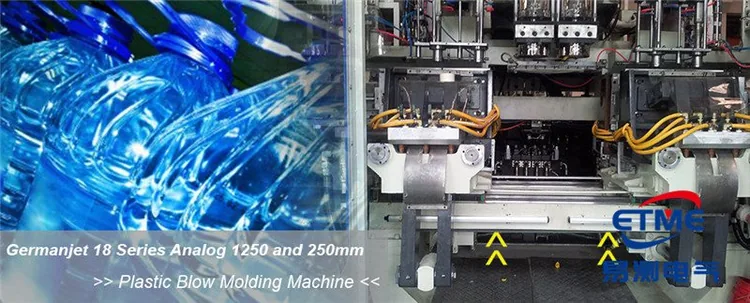
Series 12 General-Purpose Magnetostrictive Displacement Sensor Application Cases
View Details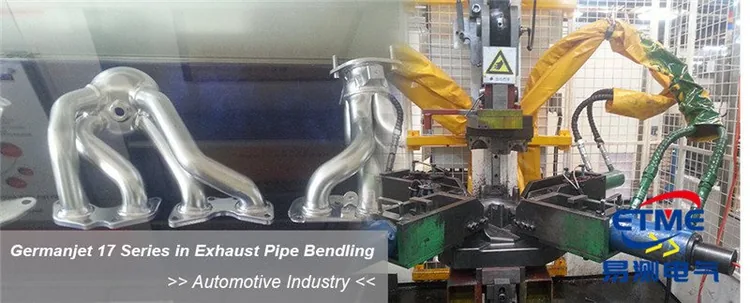
Series 16 Hydraulic Rod Magnetostrictive Displacement Sensor Application Cases
View Details