How Many Displacement Sensors Does One Injection Molding Machine Need? A Complete Plan for Injection, Clamping and Ejection
An injection molding machine places a displacement sensor at each of injection, clamping and ejection to close the position loop. It is one of the most typical applications of magnetostrictive displacement sensors, and customers often ask: "How many displacement sensors does one injection molding machine actually need?" The answer is: a standard machine usually needs 3 (injection 1 + clamping 1 + ejection 1); fully closed-loop and multi-station machines need more. This article breaks it down by station so that it is clear in one pass where each sensor is fitted and which model to choose.
Station 1: injection position (screw displacement)
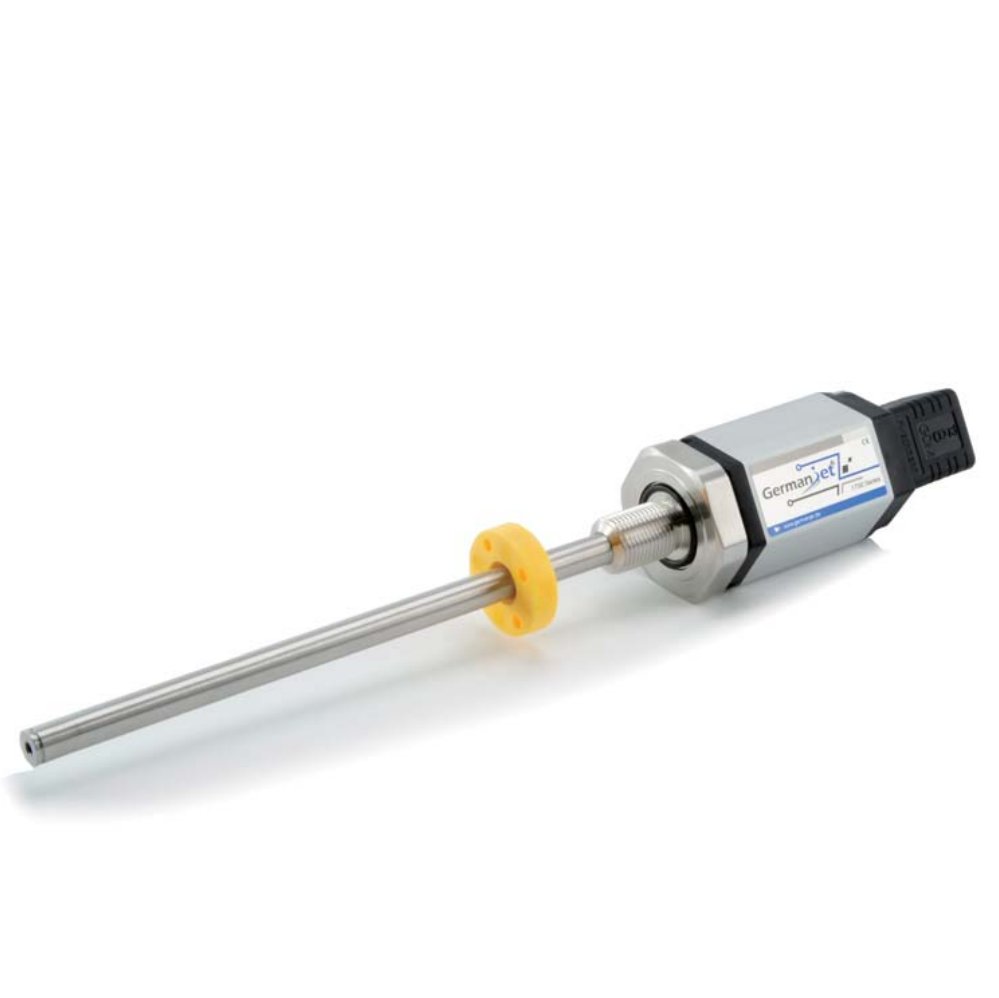
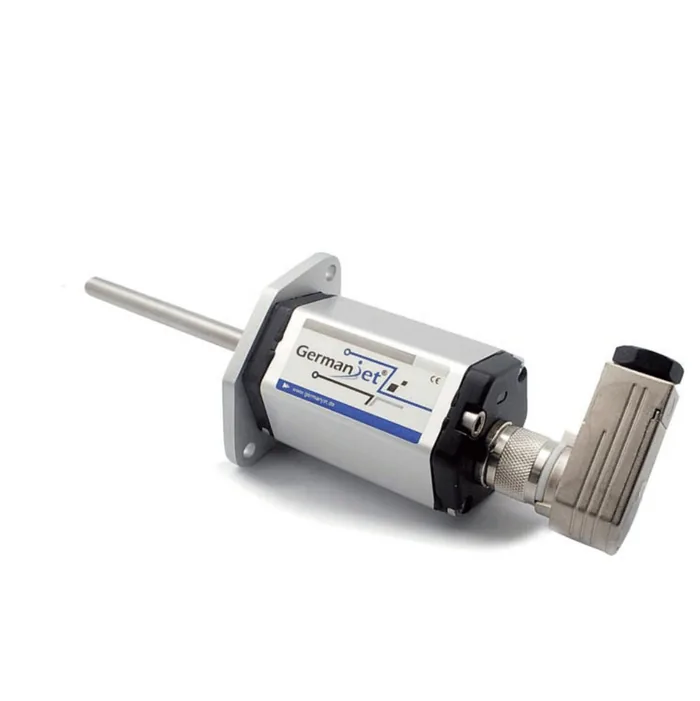
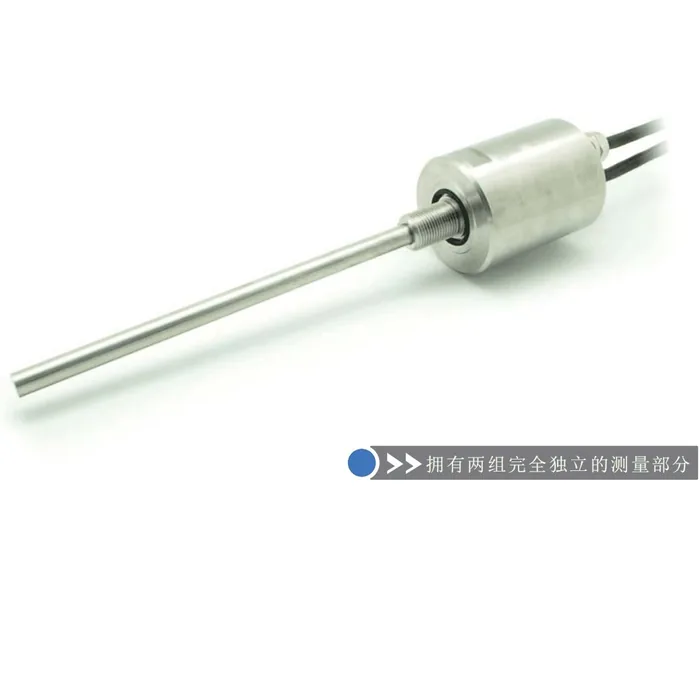
The stroke position of the injection cylinder / screw directly determines shot size and product quality. This station needs high-response, high-accuracy displacement feedback. The common choices are the Series 17 hydraulic-cylinder integrated (six outputs including 0-10 V, 4-20 mA and Start-Stop) or Series 12 (resolution 0.0015%, update as fast as 0.2 ms). The injection-position sensor is the core of closed-loop control; its accuracy directly affects shot-weight repeatability.
Station 2: clamping position (clamp stroke)
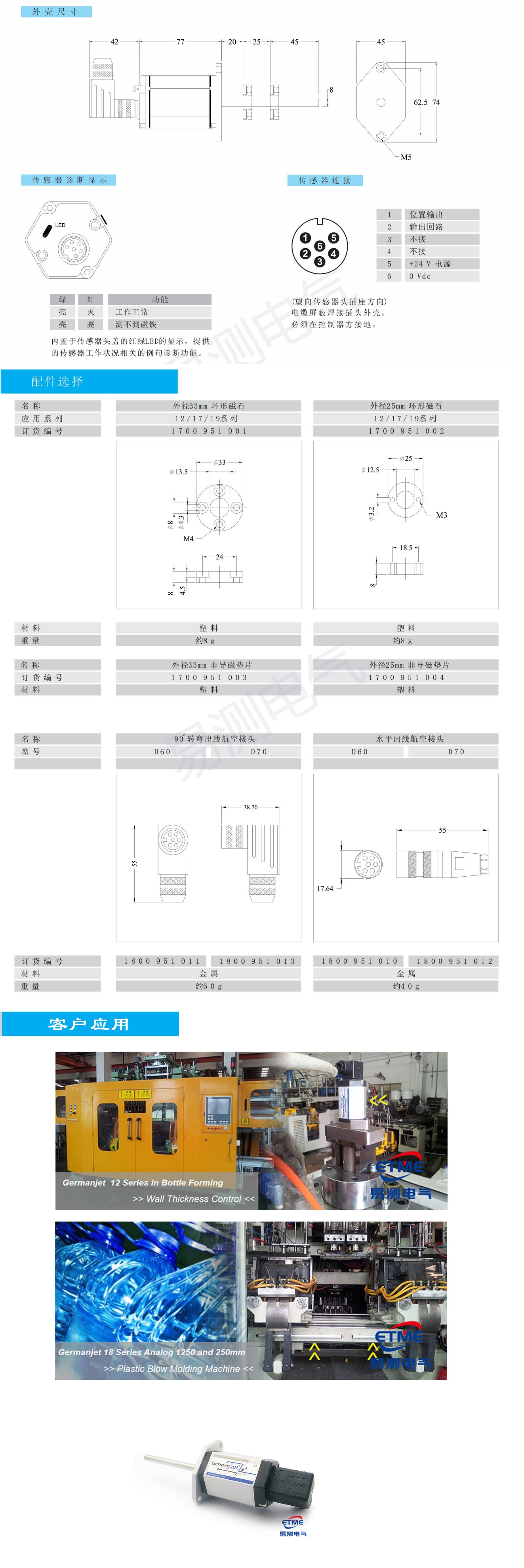
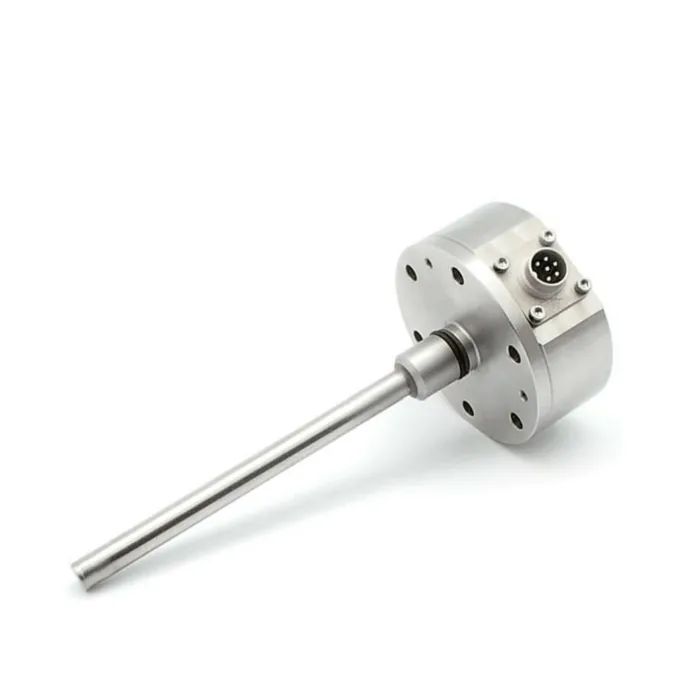
The clamping mechanism (toggle or direct-pressure) needs to detect clamp stroke and lock position, to prevent incomplete closing or over-travel. The clamping-position sensor is usually fitted in the clamp cylinder; choose Series 17 or the Series 16 flat electronics housing (saves radial space, suited to U-clevis hydraulic cylinders). Combined with clamp-force control, this gives an accurate closed loop on platen position.
Station 3: ejection position (ejector-rod stroke)
The ejector mechanism pushes the part out of the mould and needs to detect ejector-rod stroke, to avoid under-ejection or damaging the part. The ejection-position sensor likewise uses Series 17 (the all-digital electronic scale for injection molding machines: injection / clamping / ejection). The range is short and mounting space is small, so a compact type is more suitable.

Need more? It depends on the machine type and the degree of automation
| Machine type | Position-detection points | Quantity |
|---|---|---|
| Standard hydraulic injection molding machine | Injection + clamping + ejection | About 3 |
| Servo / fully closed-loop injection molding machine | Injection + clamping + ejection + wall-thickness / clamp-force auxiliaries | 4–6 |
| Two-platen / all-electric retrofit | Feedback on each motion unit separately | Add by station |
| Injection-molding peripheral robot | Positioning of each robot axis | 1 per axis |
All-electric injection molding retrofits, multi-component injection molding, high-speed precision injection molding and similar applications demand more channels and higher accuracy of displacement feedback. Use Series 17 for the injection station, Series 16 for clamping, and count four to six units on a fully closed-loop machine. Contact us for a complete scheme by machine type.
Frequently Asked Questions
Q: How many displacement sensors does one injection molding machine actually need?
A standard hydraulic machine usually needs 3: one each at injection, clamping and ejection. Servo or fully closed-loop machines generally need 4 to 6, the extras covering auxiliaries such as wall thickness and clamp force. Two-platen machines and all-electric retrofits take feedback on each motion unit separately, so the count rises with the number of stations, and an injection-molding peripheral robot needs one sensor per axis.
Q: Why does the injection position have the highest requirements?
The stroke position of the injection cylinder and screw directly determines shot size and product quality, so this station needs high-response, high-accuracy feedback. The usual choices are the Series 17 hydraulic-cylinder integrated type, with six outputs including 0-10 V, 4-20 mA and Start-Stop, or Series 12 with 0.0015% resolution and an update as fast as 0.2 ms. This sensor is the core of closed-loop control and its accuracy directly affects shot-weight repeatability.
Q: Which models suit clamping and ejection?
The clamping-position sensor is usually fitted in the clamp cylinder; choose Series 17 or the Series 16 flat electronics housing, which saves radial space and suits U-clevis hydraulic cylinders, and combined with clamp-force control it closes the loop on platen position. The ejector-rod stroke is short and mounting space is small, so Series 17 is used there too but in a compact type, avoiding under-ejection or damage to the part.
Q: When would a machine need more than three sensors?
It depends on machine type and degree of automation. Servo and fully closed-loop machines generally take 4 to 6; two-platen machines and all-electric retrofits take feedback on each motion unit separately; all-electric retrofits, multi-component molding and high-speed precision molding demand more channels and higher accuracy; and injection-molding peripheral robots need one sensor per axis on top of that.
Related Products
Related Applications
Multi-Industry Application Cases for Magnetostrictive Displacement Sensors
View Details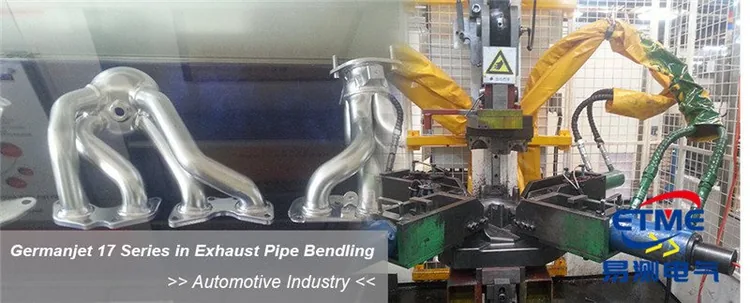
Series 16 Hydraulic Rod Magnetostrictive Displacement Sensor Application Cases
View Details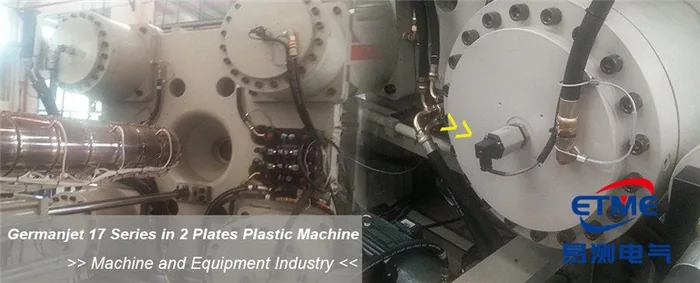
Series 17 Hydraulic Cylinder Integrated Magnetostrictive Displacement Sensor Application Cases
View Details