Magnetostrictive vs. LVDT vs. Potentiometer: How to Choose a Displacement Measurement Solution
Disclaimer: Germanjet supplies only magnetostrictive linear displacement/position sensors; descriptions of other displacement-measurement technologies below are for technical comparison only.
Displacement measurement is not magnetostriction alone. Potentiometers, LVDTs and even vision each do their work on their own ground. This article puts the three most common — magnetostrictive, LVDT and potentiometer — side by side, focusing on each technology's shortcomings so that you are not led by one-sided promotion in a specification meeting.
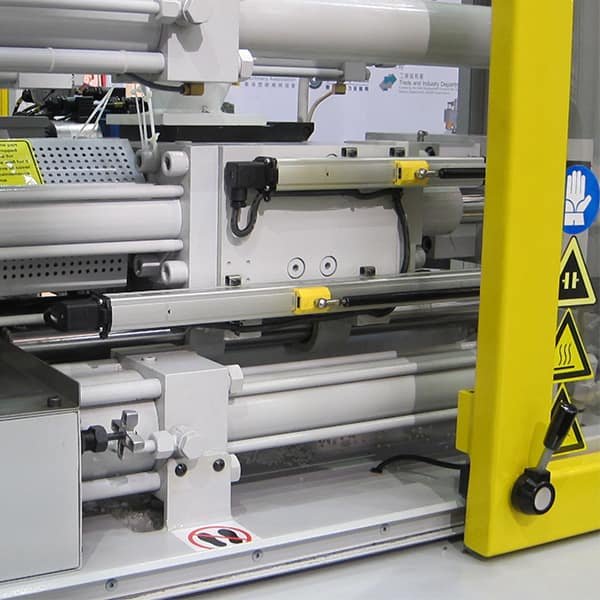
Three technologies in one sentence each
- Magnetostrictive: non-contact, absolute position, long life; suited to medium-to-long strokes and harsh conditions;
- LVDT (linear variable differential transformer): a classic contacting/non-contacting device, high accuracy and small size, suited to short-stroke laboratory or precision benches;
- Potentiometer (contacting): simple construction and the lowest cost, suited to short strokes where life is not demanding.
Comparison: accuracy / life / stroke / environment / cost
| Criterion | Magnetostrictive | LVDT | Potentiometer |
|---|---|---|---|
| Typical accuracy | non-linearity <0.02%FS, repeatability ±0.002 mm | ±0.1%–0.01% | ±0.1%–1% |
| Life | Very long (non-contact), no zero loss on power-down | Long | Short (wearing brushes, needs periodic calibration) |
| Applicable stroke | 50 mm to several metres | typically <300 mm | typically <1 m |
| Environmental tolerance | Strong (IP67–69K) | Moderate (dislikes oil sludge) | Moderate |
| Relative cost | Medium–high | Medium | Low |
Shortcomings of each (stated objectively)
- Magnetostrictive shortcomings: susceptible to strong alternating magnetic fields; cost per point higher than potentiometer types; concentricity of the position magnet is required — a poor installation weakens the signal.
- LVDT shortcomings: needs an AC excitation supply, so the electronics are more complex than magnetostrictive; short measuring range, unsuitable for long strokes; installation is sensitive to concentricity — offset degrades linearity.
- Potentiometer shortcomings: brush wear requiring periodic replacement; poor linearity on long strokes; high-speed reciprocation tends to chatter.
Selection advice
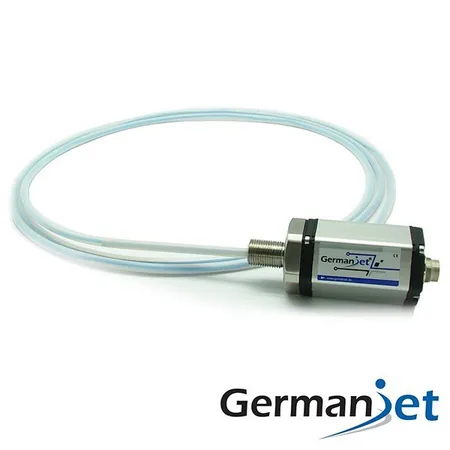
In one sentence: harsh conditions, medium-to-long stroke, maintenance-free → magnetostrictive; short-stroke precision benches → LVDT; short stroke, cost-sensitive, modest life requirement → potentiometer. For extra-long strokes, prefer a flexible magnetostrictive sensor (for example 19F). Nothing comprehensively outperforms everything else; there is only fit or unfit.
Our entire range is magnetostrictive displacement sensors, covering general-purpose, mobile hydraulic, in-cylinder integrated, externally mounted linear displacement and process fieldbus applications. If you have confirmed the magnetostrictive route, start from Series 13 or Series 17.
Practical tips for engineers
- 19F front dead zone: 50 mm when stroke <8000 mm, 130 mm when stroke >8000 mm; always subtract this when calculating effective stroke.
- Total sensor length tolerance: +8 mm when stroke <8000 mm, +15/-5 mm when stroke >8000 mm; this tolerance does not affect the measuring stroke.
- 19F minimum stroke 250 mm; for shorter strokes choose another series.
Frequently Asked Questions
Q: Magnetostrictive, LVDT or potentiometer. How do I choose in one sentence?
A short-stroke precision bench suits an LVDT or a potentiometer; medium-to-long strokes in harsh conditions suit magnetostrictive. Nothing comprehensively outperforms everything else, there is only fit or unfit. An LVDT is accurate but its range typically stops inside 300 mm; a potentiometer is the lowest cost but has wearing brushes and poor linearity on long strokes; magnetostrictive sensing is non-contact and covers 50 mm to several metres.
Q: What accuracy does a magnetostrictive sensor actually deliver?
Non-linearity of less than 0.02%FS and repeatability down to ±0.002 mm. These two figures measure different things: non-linearity is a percentage of full scale, so it only means something once converted to an absolute value for the stroke, while repeatability is what determines whether a closed loop returns consistently to the same target position.
Q: What are the shortcomings of magnetostrictive sensing?
Three, stated plainly: susceptibility to strong alternating magnetic fields; a higher cost per point than potentiometer types; and a requirement for magnet concentricity, since a poor installation weakens the signal. It is therefore not right for every application — on a short-stroke cost-sensitive bench a potentiometer is the better value, and that is a technical boundary rather than a question of product quality.
Q: What are the shortcomings of LVDTs and potentiometers?
An LVDT needs an AC excitation supply, so the electronics are more complex than magnetostrictive; its range is short, making it unsuitable for long strokes; and installation is sensitive to concentricity, since offset degrades linearity. A potentiometer suffers brush wear and needs periodic replacement, has poor linearity on long strokes, and tends to chatter in high-speed reciprocation.
Q: What should I use for an extra-long stroke?
Prefer a flexible magnetostrictive sensor such as the 19F. Note its front dead zone: 50 mm for strokes below 8000 mm and 130 mm above 8000 mm, which must be subtracted when calculating the effective stroke. The 19F minimum stroke is 250 mm; for anything shorter, choose another series.
Related Products
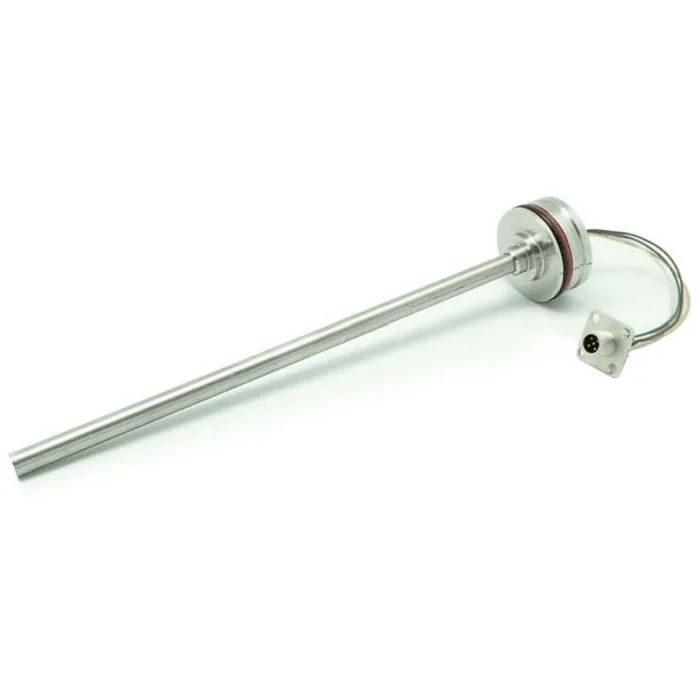
Series 13 Mobile Hydraulic
View Product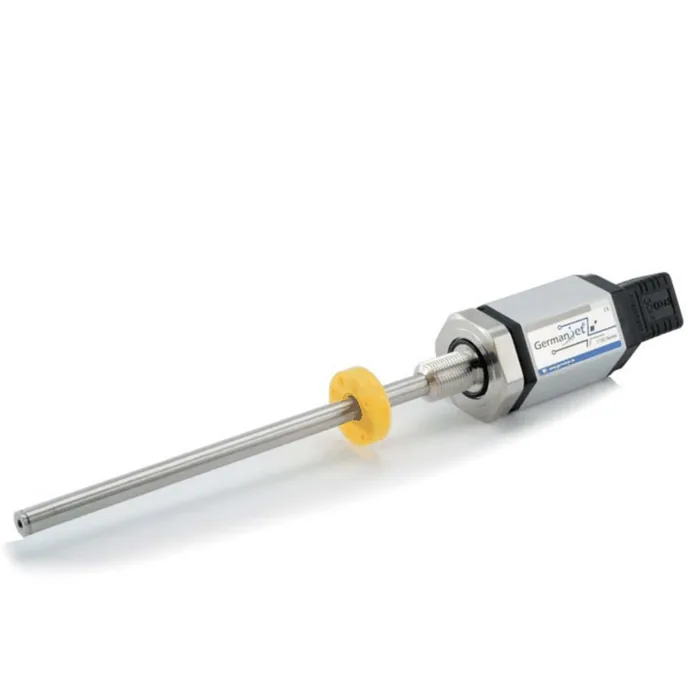
Series 17 Hydraulic Cylinder Integrated
View Product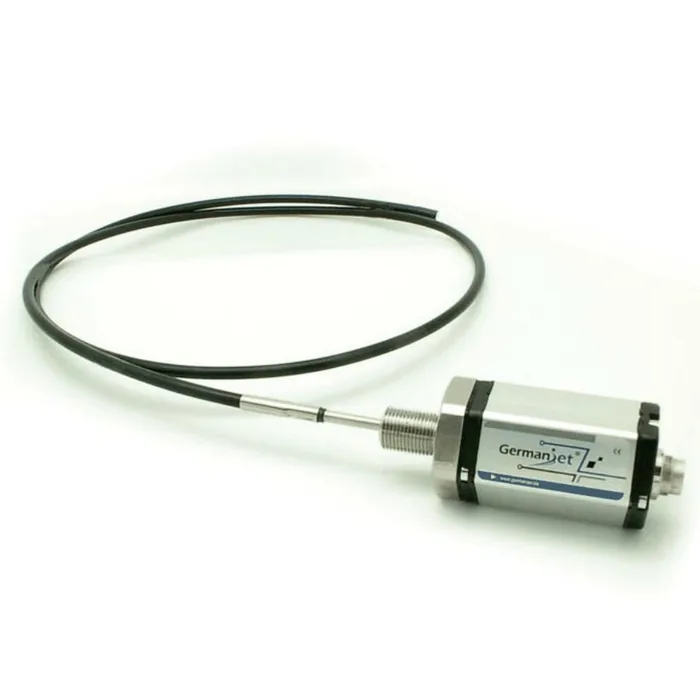
Series 19F Flexible Long-stroke
View Product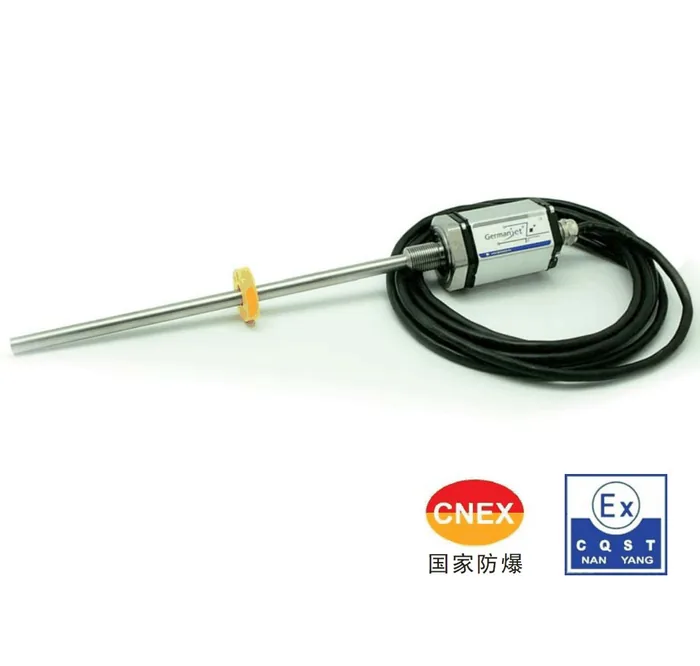
Series 17EX Intrinsically Safe Explosion-proof
View ProductRelated Applications
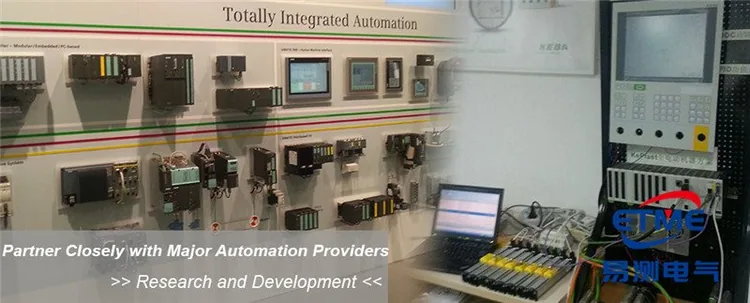
Multi-Industry Application Cases for Magnetostrictive Displacement Sensors
View Details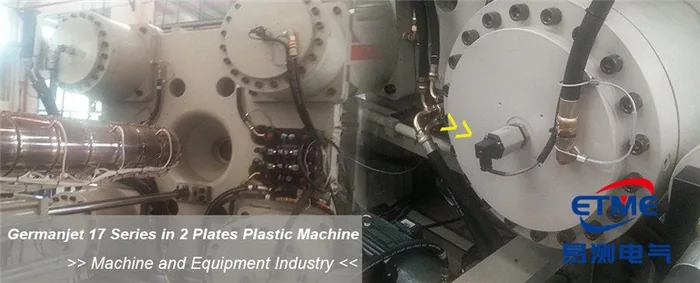
Series 17 Hydraulic Cylinder Integrated Magnetostrictive Displacement Sensor Application Cases
View Details
Series 19D Split-Type Process Displacement Sensor Application Cases
View Details